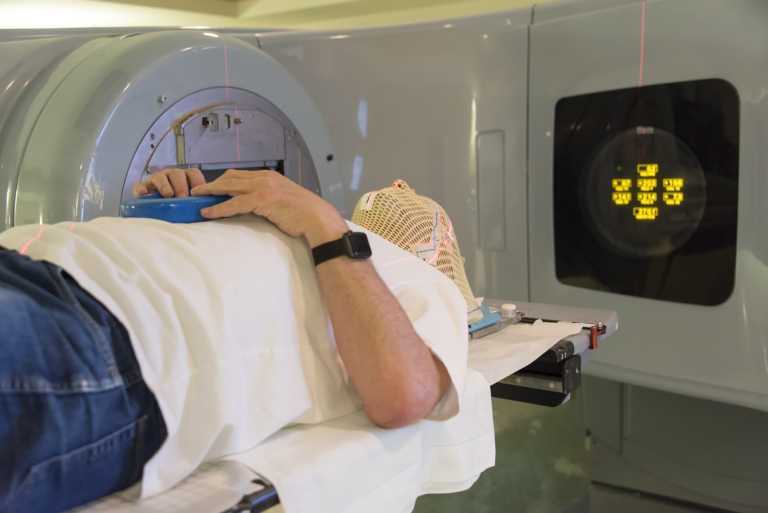

What makes a cancer treatment so impactful is not just the effects of the disease itself or the need for treatment, but how much it can affect your life.
This is particularly true if you are travelling internationally for specialist treatment, and many people notice that their personal, social and professional lives will change over the course of treatment.
To what extent it affects you depends significantly on your diagnosis, your overall health and your individual circumstances. Some people find work helps connect them to the other critical parts of their life, whilst in other cases it is simply not possible.
It is a complex debate, and one to discuss with your cancer care team, but here are some of the biggest factors that may affect your decision to keep up with your work and social life during radiotherapy treatment.
When Is Working During Radiotherapy Possible?
Unlike surgery, where you must spend a considerable amount of time off to allow scars to heal and to rehabilitate, and unlike chemotherapy, where there are aspects of the treatment that can affect your ability to share a workplace with others, some radiotherapy courses will allow you to keep working.
In some cases, you can work as normal, whilst in other cases you may need additional accommodations to ensure you can attend appointments, work from home or have flexible hours to work around your fluctuating energy levels.
Ultimately, you are the best judge of how you feel, and if your workplace is willing to accommodate that and allow you to be flexible with how you do your work, it should be possible to work during your treatment.
In general, jobs that will allow you to work during radiotherapy:
- Will primarily consist of duties that do not require heavy lifting or other manual labour.
- Will have flexible working hours.
- Will allow you to work from home or in a quiet space.
- Allows you to defer or alter your job duties, prioritising ones you can do easily and allowing others to help you with jobs that are more difficult whilst receiving treatment.
- Will offer adaptations and reasonable adjustments to help you continue to work.
Depending on where you are working and where you are receiving treatment, there may be certain legal protections for people undergoing radiotherapy treatment and carers for those undergoing cancer treatment more broadly.
The main exception to this is if you are receiving brachytherapy; whilst the radiation fades over time, you may be warned to avoid close contact with people, particularly children and pregnant women.
What Makes Working During Radiotherapy Treatment More Difficult?
It must be noted that whilst many employers can and will be flexible to ensure that you can return to work when you are able, this does not mean you are obligated or required to.
Some people will feel like they can navigate radiotherapy more easily than others, and certain job roles are easier to do whilst managing side effects and fatigue.
At a basic level, you will need to take some time off for each appointment you have, and given that some radiotherapy courses are every weekday, it could mean starting later or working reduced hours.
Depending on how you feel after each session, you may need time to recover, and that can sometimes mean that work could get in the way of the healing process. It can sometimes be better to take a work break and recover faster than to try to keep working and affect your treatment.
Another aspect is where you are receiving treatment. If you opt for treatment in another country, then you will need to ensure that you can work remotely and factor different time zones into your work schedule.
Finally, there are mental health considerations to think about; cancer treatment can provide a lot to think about, and if you are worried about your treatment and your performance at work, it can create stress and burnout that can be counterproductive.
Should You Keep Working During Your Radiotherapy Treatment?
Everyone is in a unique situation when it comes to their cancer diagnosis and radiotherapy schedule, and your treatment and job must work around you.
Some people find it really helpful to continue to work; they want to keep connected to their colleagues and work friends, enjoy what they do, benefit from the structure that having a job provides and feel well enough on most days to be comfortable staying in post.
However, if you do not feel that way or your job cannot be done safely whilst you are managing side effects, support is often available if you need it, if you need to take long-term sick leave whilst undergoing your treatment and during your recovery.