
As a specialist international radiotherapy centre, we have seen patients from around the world and have significant experience in treating both common and rare cancer types through the use of targeted radiotherapy treatments.
We have used radiotherapy for countless treatments and in varying ways, from early interventions which destroy a tiny tumour before it has a chance to grow, to more palliative forms of treatment designed to ease symptoms or prepare people for other forms of care.
Radiotherapy has existed for over a century, and the uniqueness of the treatment and our developing understanding of how it works have created a few questions, myths and misconceptions over the last hundred years or more.
If you have had a question about radiotherapy but been afraid to ask, talk to your oncologist, radiologist or cancer team. Here are some of the most common questions we are asked and their answers.
Does Radiotherapy Make You Radioactive?
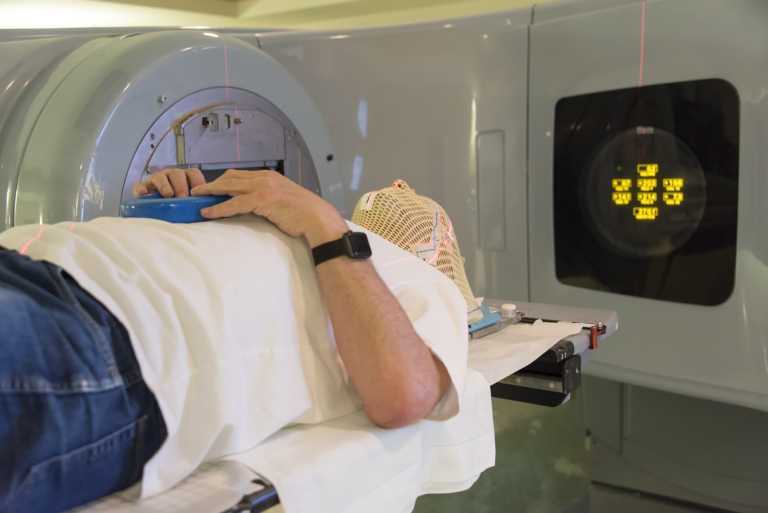
No, radiotherapy does not make you radioactive in the slightest. The external radiation beams do not remain in the body and are gone long before you exit the clinic.
The only exception to this is some types of brachytherapy, a form of internal radiotherapy where small pieces of radioactive material are placed in the body, but this is monitored, temporary and clear when it comes to the potential risks.
Does Radiotherapy Hurt?
Much in the same way that an X-ray is quick and painless, radiotherapy does not hurt, and the discomfort that some can experience from lying and being locked in position for treatment can be mitigated either through careful positioning or sedation for longer treatments.
There are some effects, such as fatigue or skin irritation, that can occur in some cases, but these tend to appear following treatment and can usually be managed with either medication, topical treatments or through advice from a holistic cancer team.
Does Radiotherapy Cause You To Lose Your Hair?
Unlike chemotherapy, which can cause temporary hair loss across your body, radiotherapy only causes hair loss in the direct vicinity of the radiation.
For example, if you are being treated for lung cancer and have a hairy chest, some of the hair over the target area may fall out, but it will not affect the hair on your head, your beard or any other body hair.
When Is Radiotherapy Used?
Radiotherapy can be used at all stages of treatment, from initial and immediate unintrusive interventions to destroy a tumour before it has a chance to spread, or it can be used for extensive treatment of Stage 4 cancer.
It is also used during chemotherapy in a treatment known as chemoradiation to make both interventions more effective, either to shrink tumours before surgery or to destroy any remaining cancer cells following surgery.
Many people will receive radiotherapy at some point during their cancer treatment, because it is highly versatile, non-invasive, and both its benefits and effects are known well enough for treatments to be built around them.
How Long Does Radiotherapy Take?
The duration of radiotherapy is highly dependent on its use, the person taking it, the type of cancer and other factors such as the type of machine and the treatment plan.
Some types of radiotherapy treatment, most notably stereotactic radiosurgery, are more intensive treatments undertaken in one session that can take between 30 minutes and four hours.
On the other hand, many radiotherapy courses involve having several short sessions of radiotherapy a week, which can take as little as 15 minutes each. In some cases, the trip to the clinic can take longer than the radiotherapy dose itself.
This is part of the reason why radiotherapy is so versatile; both high-dose radiation intended to reduce the number of required sessions and splitting the radiation dose into more sessions can be really helpful for different people, and our holistic approach to cancer treatment factors not only your health needs but your lifestyle as well.
Can You Work Whilst Undergoing Radiotherapy?
During radiotherapy, staying active is not only allowed but encouraged, but whether you can continue to work and go about your everyday life will depend considerably on how you feel, the type of treatment you are having and where you are having treatment.
In most cases and most types of jobs, people will tend to continue to work, maintain their social life and keep enjoying their hobbies whilst having radiation therapy, but this can depend on your energy levels on any given day and how you feel.
Some people will continue to work, some will work remotely or have more flexible hours, whilst others will take time away from their professional life entirely. All of these are the right answer if they are right for you.