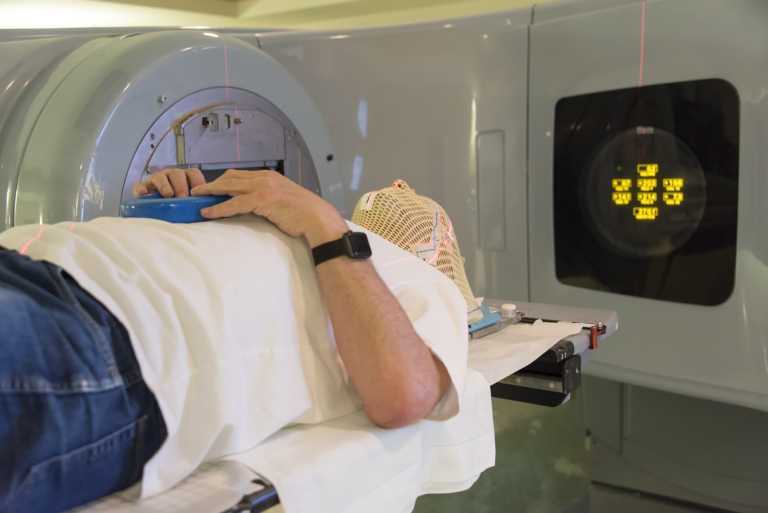

The use of radiotherapy can play a critical role in fighting cancer, using radiation to disrupt the DNA of cancer cells and bringing benefits ranging from effective palliative care through to full remission from the disease, when patients can celebrate being cancer-free.
However, radiotherapy can have other uses as well. It can be used for shrinking benign tumours that can place pressure on the brain or other organs, as well as helping with joint pain in various places around the body. Our radiotherapy centre can treat this as well.
The last of these issues can manifest in many ways. A good example of this is pain in the elbow or forearm area. This can have various causes:
- Arthritis, including osteoarthritis
- Repetitive strain injuries (RSI) leading to conditions such as tendonitis, bursitis or a pinched nerve
- Trauma, such as fractures, sprains, severe bruising from an impact, or a dislocation
- Bone spurs and other skeletal irregularities
What Are the Causes Elbow And Forearm Pain?
The cause of the problem will determine the nature of the treatment. For example, in the case of a fracture, sprain, bruising or dislocation, the natural healing process may be enough to ensure that the pain soon dissipates and full function returns.
Similarly, RSI conditions of the wrist, elbow and forearm can usually be resolved with rest, cold compresses and anti-inflammatories.
However, other conditions, especially those caused by arthritis, will persist and not go away in time, no matter how they are treated. This means that ongoing treatments of various kinds can be used, such as:
- Anti-inflammatories
- Physical therapy
- Surgery
- Steroids
- Disease-modifying drugs
All of these may prove helpful, but low-dose radiotherapy can also be used to help patients. This involves a far lower amount of radiation being used, which is still sufficient to bring significant relief for sufferers.
How Does Low-Dose Therapy Ease Pain And Inflammation?
Low-dose radiotherapy is thought to work primarily by reducing inflammatory activity within affected tissues. It can influence inflammatory cells and signalling pathways that contribute to pain, swelling and stiffness, helping to provide long-term symptom relief.
Low-dose radiotherapy will never be used as the first resort, but when the problem is persistent, as arthritis is, it may prove very effective in bringing relief.
The way this is delivered is through external beam radiotherapy, which is different from the kinds and intensities of radiotherapy that we would provide in other circumstances.
For example, it is very unlike stereotactic radiotherapy, which is a technique aimed at firing intense beams of high-level radiation at small areas while sparing surrounding tissue. Nor does it involve brachytherapy, where radioactive substances are injected.
Most importantly, because the dose is far lower than the levels involved in shrinking tumours or disrupting cancer cells, patients will not have to endure any of the side-effects of high-dose radiotherapy such as tiredness, hair loss, diminished appetite or nausea.
The only effects you may feel can be some very slight skin irritation, like a mild case of sunburn.
Not only does this mean that patients do not suffer additional unpleasant disruptions to their lives, but it also means people who might be too frail to undergo more aggressive radiotherapy can easily handle this modest level of radiation.
Why Is Radiotherapy Often Beneficial For Arthritis Sufferers?
Low-dose radiotherapy can provide particular benefits for osteoarthritis sufferers. This is the most common type of arthritis to afflict the elbow joint, as well as the hands and wrist and, by extension, the forearm.
Radiotherapy can be particularly useful if patients are unable to benefit from some treatments, such as having a medical condition that precludes the use of certain anti-inflammatory drugs.
Among these conditions are:
- Ulcers
- Kidney problems
- Allergies to certain medications
Once again, a key benefit is that the radiation impedes the inflammatory mechanisms, which is beneficial as inflammation is a major source of pain in the elbow joint.
Because arthritis cannot be fully cured, the radiotherapy will not make it disappear forever. This means that those suffering from arthritis may need to continue having regular low-dose radiotherapy sessions and taking other steps to ease discomfort.
However, because of the lack of side effects, it is perfectly possible to have multiple and regular treatment sessions as required to provide ongoing relief.
The normal approach to treatment is to have around six sessions over the space of a few weeks, each lasting just a few minutes. It is simple and gentle, but the benefits are extensive.
In this respect, low-dose radiotherapy can help different people whose conditions and ages differ. Arthritis mainly affects older people, but it can occasionally happen in early life.
Because low-dose radiotherapy is generally well tolerated, it may be suitable for many patients who have not achieved sufficient relief from other treatments.
Suitability should always be assessed by a specialist team on an individual basis.