Prostate cancer is one of the more prominent cancers and has a high profile because it is a male-specific disease. Radiotherapy is commonly involved in treating the condition, but the exact way it is used may vary as part of a tailored patient-specific treatment programme.
The disease can affect any man, but certain characteristics increase the risk factors:
- Being aged over 50
- A family history of the disease
- Men of African or Caribbean heritage are known to have a higher risk of developing prostate cancer.
- A family history of DNA changes, known as BRCA1 and BRCA2
- Obesity
- Smoking
How Do Prostate Cancer Rates Vary In Europe?
These factors are one element of variance, although there are also significant differences between countries. For example, the latest (2024) data on incidences of prostate cancer in the EU shows that:
- Here in Austria, the rate is 151.1 per 100,000 in men aged up to 85
- Major countries where the rate is lower include Germany (133.1), Spain (131.3) and Italy (129.8)
- Most of the highest rates are in more northerly European countries, with five countries – Norway, Sweden and the Baltic states – having an incidence of over 200
- Lithuania has the highest rate of all at 266.6
- Romania has the lowest rate at 99.0, followed by Bulgaria at 100.2
Why the rate varies as much as it does is not entirely clear. For example, the Baltic and Scandinavian countries have a smaller proportion of black people in their population than countries like France, where the rate is 167.7.
Whatever the cause, the earlier the diagnosis takes place, the better the prospect for the patients. This can also determine how radiotherapy may be used to treat the cancer.
For example, in a late diagnosis in which secondary cancer is present, radiotherapy may be used to deal with the fact that the cancer is present in several different parts of the body. In such cases, it is applied to the prostate as well as to the other affected areas.
What Are The Common Ways Primary Prostate Cancer Is Treated?
For primary prostate cancer, the main treatment options are:
- Surveillance, used in cases where the cancer is progressing slowly and no major treatment may be necessary, at least for the time being
- Surgery to remove the prostate
- Radiotherapy to shrink the tumour
- Occasionally, other therapies, such as chemotherapy or hormonal therapies, may be tried
If surgery has taken place to remove the prostate, a form of radiotherapy called adjuvant radiotherapy may be used.
This involves using radiation to attack and disrupt the DNA of any remaining cancer cells that may be present and reduce the chances of the disease recurring.
If radiotherapy is being used to shrink the tumour, the same principle applies, with the radiation damaging the cell DNA, which restricts the capacity of the cells to survive and divide.
The preferred method of treatment is something that will be decided between you and your oncologist at our radiotherapy centre, who will explain the situation and the options available to you.
If you do have surgery followed by adjuvant radiotherapy, this can have significant after-effects.
Some of these are the shorter-term side-effects normally associated with radiotherapy, such as fatigue and nausea, which can also apply if radiotherapy is used to shrink a tumour without surgery being used.
However, it can also include problems with sexual function, which may be long-lasting if the prostate has been removed.
In any event, men who may wish to have children in the future should discuss fertility preservation options, such as sperm banking, with their care team before treatment begins.
Is Prostate Cancer Treated With Internal Or External Radiotherapy?
There are two types of radiotherapy used to tackle prostate cancer.
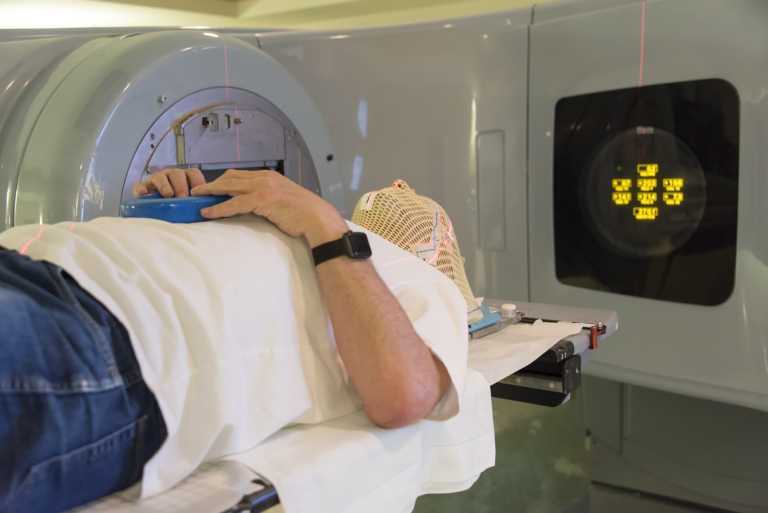
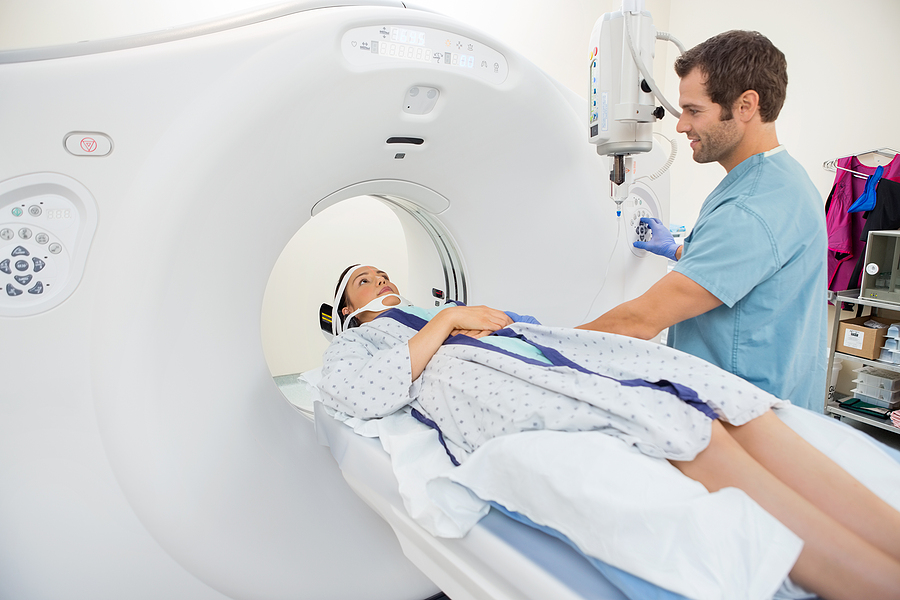
- External beam radiotherapy, which involves the patient lying on a table while the machine moves around them and delivers powerful beams of radiation to the affected area
- Brachytherapy, which involves injecting a radioactive substance into the affected area to deliver radiation
The chosen method will be decided between the patient and the oncologist. This places the emphasis firmly on ensuring that there is patient consent and understanding, as well as tailoring the treatment to each patient.
Among the variables involved in the decision are:
- The age and general health of the patient
- The size and precise location of the cancer
- How advanced the cancer is
- Considerations relating to underlying causes such as a family history of the disease
Each of these and other matters will vary from patient to patient, so if you are seeking prostate cancer treatment, you can be assured that the approach we take will be sensitive, collaborative and, most of all, personal.