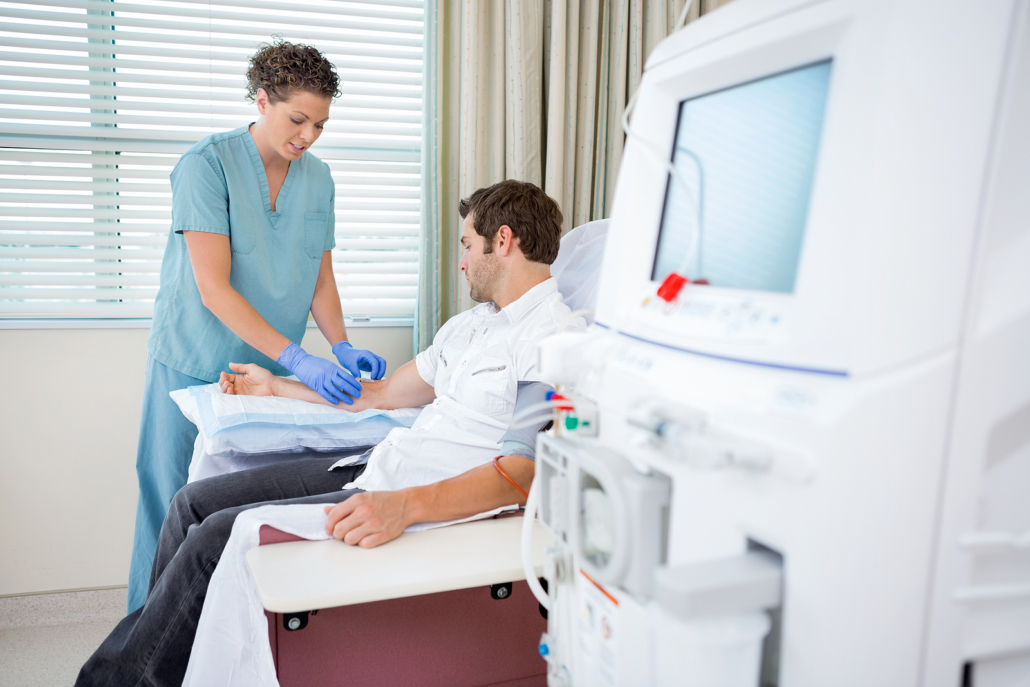
A significant part of cancer care is spent preparing for treatment, and this is true not only for the international cancer care centre arranging your treatment, developing treatment plans and calibrating equipment, but also for the person at the heart of treatment.
Typically, when people talk about preparing for cancer treatment, they are often referring to prehabilitation, or the steps you take physically and mentally with the help of your cancer team to get ready for cancer treatment.
However, what is just as important is getting ready for the end of cancer treatment, particularly since the end of cancer treatment has different meanings for different people depending on the goals of cancer care.
The end of cancer treatment is one of transition, particularly if you have travelled a long distance to seek out the best treatment possible. It will take time to adjust, adapt and return to a new normal in your life.
How can you best prepare for the end of cancer treatment? The key is to start thinking about it early, start asking questions and start making plans.
When Should You Start Thinking About The End Of Cancer Treatment?
You will generally be told at the start of your treatment plan when it will start, what you will need to do ahead of treatment, how long it will last, when the course of treatment will end and what you should expect next.
Much like how you should start preparing for the start of treatment once you get your diagnosis and your treatment plan is being finalised, you should start thinking about what comes after your treatment during its latter stages.
There will be a period of adjustment following your last appointment, and there will be a lot to take in, so it is worth asking questions with your cancer team as well as your primary doctor about what happens following care.
As well as this, it is worth thinking about how you currently feel and what you want to do first once you start to recover from cancer treatment. It is a gradual process, but this gives you a goal to work towards.
Finally, all of the prehabilitation and rehabilitation you have been doing up to this point, including changes to your diet, your fitness routine and working with a therapist to help you manage the sometimes complex emotions surrounding cancer care.
What Should You Ask Before The End Of Treatment?
At the end of your treatment, you will be given contact information for your cancer team, information on follow-up appointments (when they are and who will undertake them) and how often you will have additional tests to monitor your cancer:
- How can you manage any side effects you have following the end of treatment?
- Are there any late effects that you should expect?
- What warning signs should you look for that you should inform your healthcare team about?
- How can you keep yourself healthy and fit following treatment?
- What can you do to reduce the chances of cancer returning?
Do You Need To Get Back To Everyday Life Immediately After Cancer Treatment?
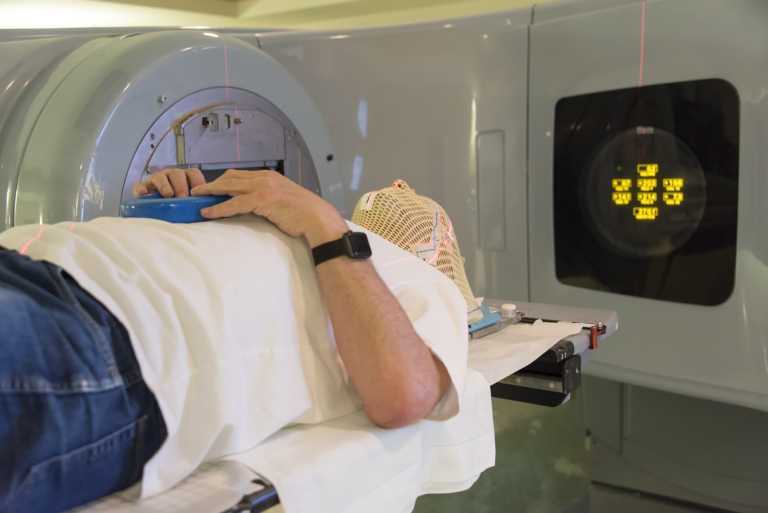
For many people, the final radiotherapy appointment is not the end of cancer treatment, either medically or psychologically. Even if it is, there is always a period of adjustment, and you may find it difficult to return to your everyday life following treatment.
Given that radiotherapy works gradually to destroy cancer cells, your body will still feel the effects of treatment for at least a couple of weeks following treatment, whilst it works to recover and rejuvenate itself.
For this reason alone, you should avoid pushing yourself too hard following the end of cancer treatment. Listen to your body, give yourself time to rest and the space to feel everything you need to feel.
There will be days when you feel full of energy and able to build towards your future and what comes next, but there will also be days when you need to rest, recover and process your cancer journey.
Your cancer team will always be there, and you will be provided with contact information at the end of treatment, whilst your GP will not only be there to talk to if you have any concerns, but can also signpost support groups and clinics in your local area to visit when you return to your home country.
How Long Does It Take To Adjust To Life Following Cancer Treatment?
Much like it takes time to get used to cancer treatment, visiting the clinic regularly and staying in another country, it can take time to get used to no longer seeing your cancer team as often.
It usually takes a few weeks for your body to recover from your last treatment session, and several months to completely adjust and figure out what the new normal is for you.
Over time, your physical and mental health will improve, particularly if you take proactive steps to help your body, such as by following physiotherapy plans and nutritionally balanced diets.