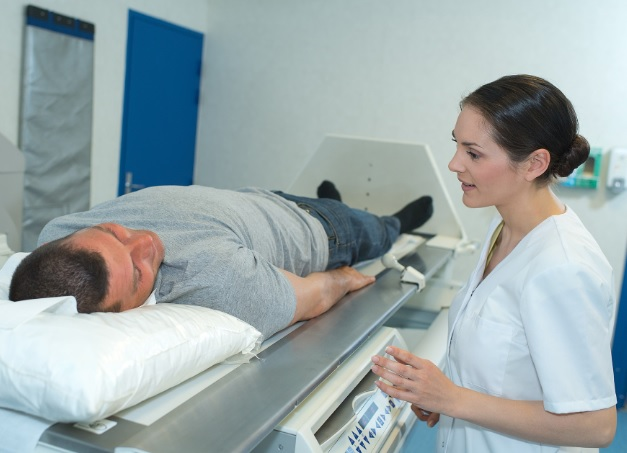
Our radiotherapy centre places great emphasis on offering personalised treatment. However, this is not simply a matter of good customer service or an added extra. In fact, it is an essential element of finding and deploying the best methods to deal with your condition.
When any patient comes to us with cancer or any other condition that can be treated using radiotherapy, there are many different factors to consider in determining the best treatment. It is the combination of these that will determine the best way forward for each individual.
Among the factors that may be included are:
- What stage the cancer has reached
- Whether it is highly aggressive or only mildly so
- The extent to which other treatments, such as surgery, chemotherapy or targeted drugs, may play a role in treatment
- The age and general health of the patient can set the parameters for what treatment may be given
- Whether or not the patient has already undergone some treatment which has not been successful
- The patient’s own wishes, as expressed when discussing treatment options with an oncologist
This list is far from exhaustive. For example, practical issues like how far you have to travel to our radiotherapy centre in Vienna can be a factor in how we approach treatment, as well as the help (such as accommodation) we can provide as part of the treatment.
We also provide advanced treatment planning, image-guided radiotherapy, VMAT, stereotactic body radiation therapy/stereotactive ablative radiotherapy, consultant-led planning and medical physics quality assurance.
How Does Radiotherapy Work?
The role that radiotherapy plays is a prime example of how different, personalised approaches can be offered.
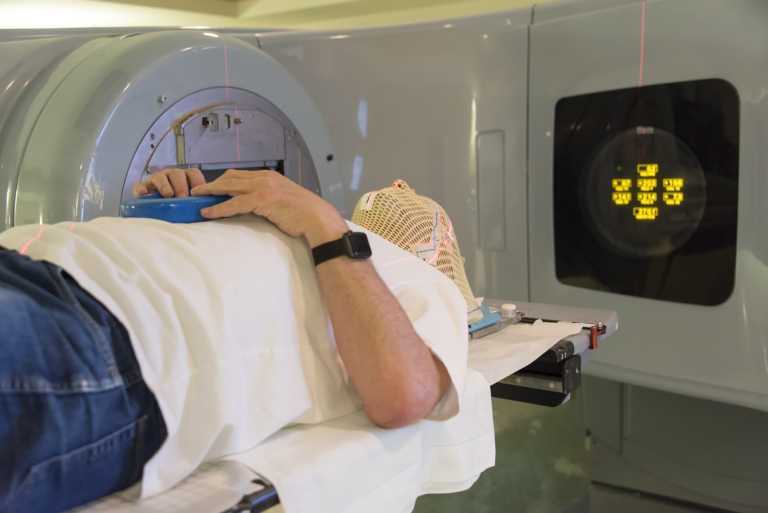
On the one hand, the basic way radiotherapy works in treating cancer is consistent. It uses radiation to disrupt the DNA of cancer cells, which damages their capacity to reproduce or sustain themselves.
In the best-case scenario, this treatment can beat the cancer entirely, placing the patient in remission. Even if this is not possible, however, it can shrink tumours and slow the progress of the disease, providing relief from symptoms and extending life.
What Are The Different Forms Of Radiotherapy?
However, radiotherapy can be delivered in different ways:
- Internal radiotherapy, or brachytherapy, where radioactive sources are placed inside or very close to the tumour.
- Internal radiotherapy is often used for specific cancers such as breast, prostate or cervical cancer.
- External beam radiotherapy, where beams of radiation are fired at the area where the cancer is.
- Stereotactic radiotherapy, where very intense beams of radiation are aimed at very small, specific areas, such as brain tumours or cancer close to other sensitive organs
If you need radiotherapy, your oncologist will discuss the right type for you depending on your condition.
Another consideration is whether your overall treatment will involve surgery to remove a tumour or other cancerous tissue. This may depend on the location of the tissue and whether it is practically safe to remove it surgically.
If part or all of a tumour cannot be removed this way, the use of radiotherapy will help to shrink it. If a tumour is removed, a form of radiotherapy called adjuvant radiotherapy can be used.
This may be used to counteract any remaining cancerous tissue, but it is also used to help prevent a recurrence.
What Are The Side-Effects Of Radiotherapy?
Radiotherapy does come with side effects, which can be challenging to deal with. These include the following symptoms:
- Fatigue
- Hair loss
- Skin soreness
- A loss of appetite
- Low libido and loss of sexual function in some cases when radiotherapy is in the abdominal areas
- Low blood cell counts
Many of these effects will wear off after radiotherapy ends.
Note, as well, that side effects vary depending on the area being treated. Your oncology team will explain the potential short and long-term effects relevant to your individual treatment plan.
The course of your treatment will not just be calibrated according to your own medical circumstances. Every patient can discuss treatment programmes with their oncologists in order to ensure there is a plan in place that everyone is happy with as the best way forward.
What Other Support Can We Offer?
In addition to this, the support we can provide in helping people to travel to Vienna, take up accommodation while treatment is ongoing, spend time with family if required and have other practical arrangements taken care of is all part of the personal service.
These may not directly impact your treatment, but they are all part of treating the whole person as an individual and helping to ensure your needs are met in the best way possible, including having a supportive, encouraging environment at what may be a difficult time.
Combining these personal elements can help maximise the chances of the best possible patient outcomes.