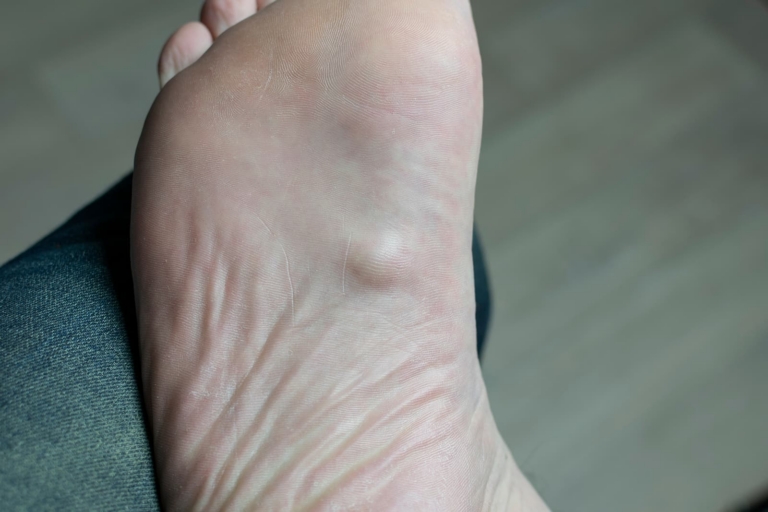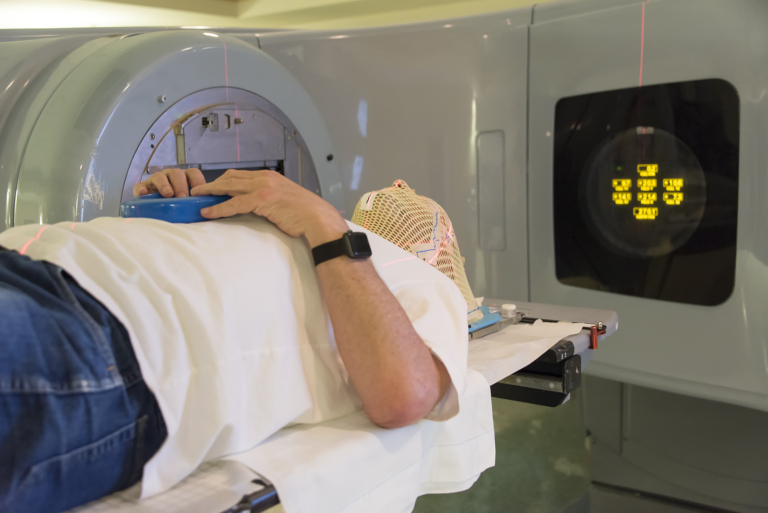
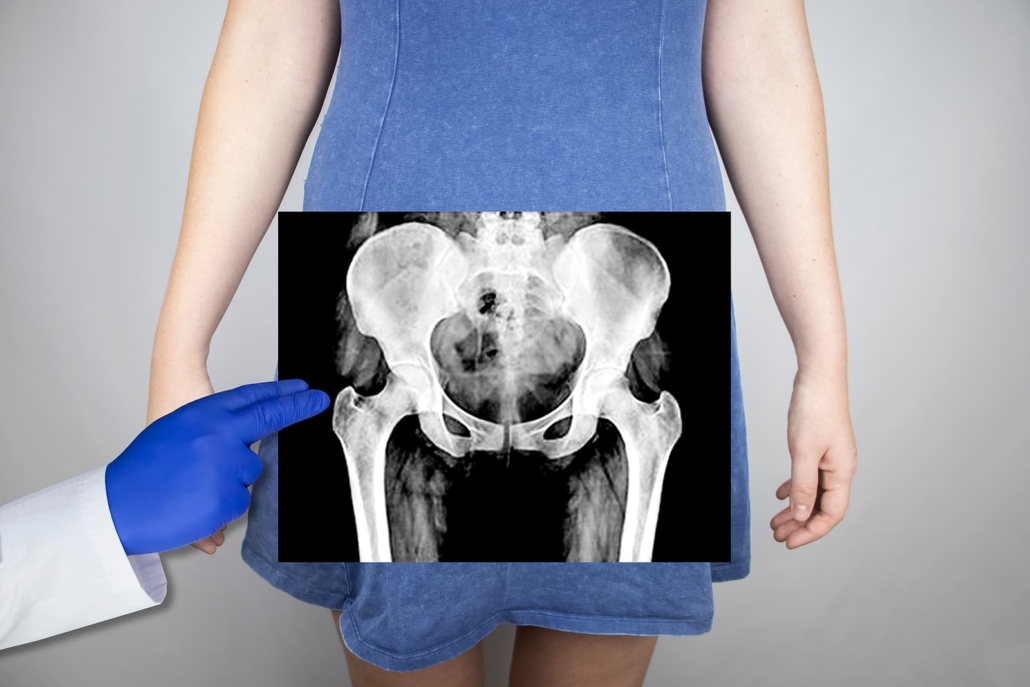
Radiotherapy has a range of applications, successful at treating both cancer and other more benign conditions, such as heterotopic ossifications.
What Is Heterotopic Ossification?
Heterotopic ossification is a condition that leads to the emergence of bone tissue in soft tissues, which sometimes leads to pain, swelling and tenderness. This can happen for different reasons, including:
- After an injury, especially bone fractures and traumatic brain injuries
- After surgery
- The result of a genetic condition, although this is rare
- Sometimes no clear cause can be identified
In some instances the bone formations can cause a problem, because they are large and can restrict movement, especially if close to a joint, for example. The most severe cases are often genetic cases because of the locations they commonly affect.
How Is Heterotopic Ossification Treated?
Whether the cause is genetic or not, if you have been diagnosed with heterotopic ossifications and they are causing discomfort, there are various ways they can be treated.
Potential treatments include:
- Medication such as corticosteroids to reduce swelling and inflammation
- Physiotherapy
- In some post-injury cases, rest, ice and stretching exercises can help
- Surgery
The last of these can often be followed up by low-dose radiotherapy to prevent the bone formations from returning, which is the role that we can play.
In the 1950s, scientists discovered the role that cells called osteogenic progenitors play in bone repair. Normally, they play a positive role in helping to repair bone damage.
However, if, as in the case of heterotopic ossification, the bone is growing in the wrong place, it can be beneficial to disrupt these cells. This can be achieved using low doses of radiation.
When this is used in the aftermath of surgery, it can work as a means of preventing fresh bone growth, providing lasting relief.
Evidence and optimal treatment parameters remain variable, however, including dose and timing.
Who Can Benefit From Radiotherapy For Heterotopic Ossification?
How much relief is provided will depend on the circumstances underlying the condition. In many cases, this low-dose radiation treatment after surgery or following a trauma can reduce the risk of reformation or recurrence, although this isn’t guaranteed.
Radiotherapy may be beneficial in instances where a recurrence is likely, such as:
- A history of heterotopic ossification
- Ankylosing spondylitis
- Osteoarthritis
It is primarily used for prophylaxis and to prevent initial or recurrent heterotopic ossification, rather than to treat the established condition itself. Surgical excision is generally the treatment for symptomatic established heterotopic ossification.
In the minority of cases where the problem is genetic, the issue may be recurrent. That could require future courses of radiotherapy to bring future relief, alongside other treatments.
Not everyone will be recommended low-dose radiotherapy after surgery to prevent heterotopic ossification. In some cases, it will not be necessary.
Does Low-Dose Radiotherapy Produce Many Side Effects?
Having low-dose radiotherapy is different from the kinds of high doses required for cancer treatments.
In the latter case, the high dose is needed to disrupt the DNA of cancer cells to break them down and prevent replication, helping to shrink tumours and, in the aftermath of surgery to remove cancerous tissue, to prevent recurrence.
For heterotopic ossification, however, low-dose radiotherapy is associated with comparatively few side effects.
This is for the same reason that everyone can be exposed to low doses of radiation in everyday life, from background radiation to electronic devices, without suffering any harm.
The body has a certain tolerance of radiation levels that high dose radiation will exceed, whereas low dose radiation will not reach this threshold.