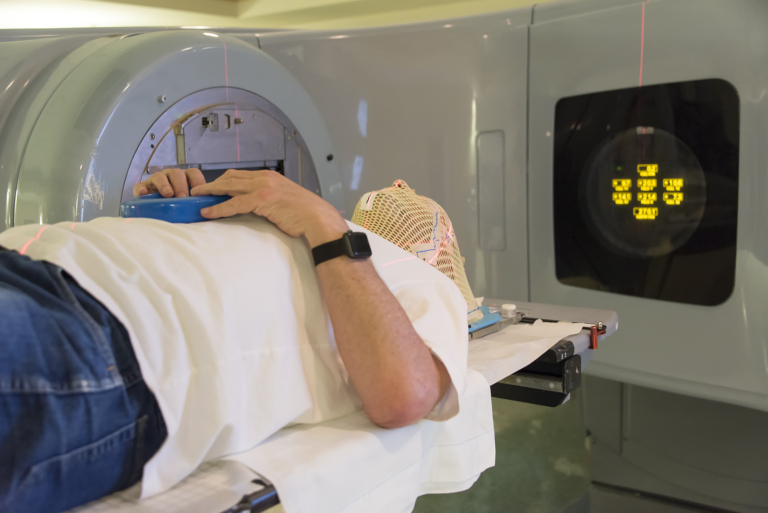
While radiotherapy is not routinely required after every mastectomy, nor is a mastectomy always appropriate as a form of breast cancer treatment, postmastectomy radiation therapy (PMRT) is recommended based on individual recurrence risk, including lymph node involvement, tumour characteristics and other pathological factors.
How Common Is Breast Cancer Across Europe?
Breast cancer is one of the most common cancers and this can be seen in EU-wide data. For example, the most recent annual data (for 2022) showed that:
- 374,800 cases were diagnosed among women
- This accounts for 29 per cent of all cancers among women in the EU
- One in every 11 women will be diagnosed with breast cancer by the age of 74
- There were also 4,400 cases among men
As can be seen from these figures, breast cancer is the most common cancer for women.
In 2022, it accounted for nearly as many cases as the next four most common cancers in women (colorectal, lung and bronchial, uterine and pancreatic) put together.
How Is Primary Breast Cancer Treated?
Es gibt verschiedene Wege in which primary breast cancer can be treated in the initial case:
- Lumpectomy, where cancerous tissue is removed while the rest of the breast remains in place
- Mastectomy, in which the whole breast is removed
- Lymph nodes may also be removed
- Adjuvant radiotherapy reduces the risk of locoregional recurrence by treating potentially remaining microscopic disease. It is not necessarily given when residual cancer cells are suspected
- Hormonal and immune therapies may also prove effective for some patients, depending on the cancer type
The decision to recommend PMRT is based on recurrence risk, not simply whether tests show remaining cancer cells. Relevant clinical factors include tumour size, nodal involvement and pathological findings.
Modern PMRT commonly uses moderate hypofractionation, typically 15 to 16 fractions. Treatment duration and individual session length depend on the treatment plan.
Why Is Aftercare Important After Breast Cancer Treatment?
Whether or not radiotherapy follows surgery, the standard of aftercare is very important. Follow-up care monitors recovery, treatment-related effects and potential recurrence.
Local recurrence, regional recurrence and distant metastatic recurrence all have different clinical implications and patterns of presentation.
Neoadjuvant treatment, surgery and further radiotherapy depend on the recurrence location, previous treatments and individual clinical circumstances.
What Are The Risk Factors For Recurrent Breast Cancer?
Wiederkehrender Brustkrebs can also be a risk. The chances of this taking place usually depend on various factors linked to the initial cancer:
-
- The number of lymph nodes (higher numbers increase the risk)
- The size of the original cancer (larger equals higher risk)
- Triple-negative breast cancer, which has a higher risk of early recurrence, particularly within the first few years following diagnosis
- HER2-positive cancers also have a high recurrence rate, but modern HER2-targeted treatments have substantially improved outcomes and reduced recurrence risk
- Higher cancer grades increase recurrence risk
</ul style=”list-style-type: disc; margin-left: 1.5em; list-style-position: inside;”>
Our experienced oncologists will carry out follow-ups with full awareness of the variations that apply to each patient.
Other factors such as lifestyle and family history can also be factored in, but note that the latter is particularly relevant to inherited susceptibility and new primary cancer risk..
Treating patients as individuals and tailoring treatment pathways is an approach we take with everyone, no matter what their condition.