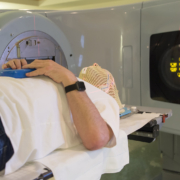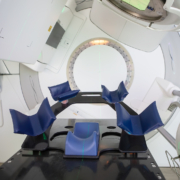

modern radiotherapy techniques - first linear accelerator technology IMRT

One of the most comforting aspects of entering a radiotherapy centre is that whilst many of the therapies and technologies being used are new, the underlying concept behind the treatment has been established for over a century.

This means that the properties of radiation as a therapeutic treatment are very well-established, anyone who is recommended a course of radiotherapy will be made completely aware of what to expect and treatments are designed to maximise the benefits whilst minimising harm.

The Gamma Knife is one of the greatest examples of this, as its use of stereotactic beams precisely located at specific points means that it can destroy harmful lesions, tumours and growths on the brain without incision and with as little harm to healthy tissue as possible.

Radiotherapy has technically existed since 1896, but the Gamma Knife and the modern era of radiotherapy took over half a century to emerge, and even half a century after that there are still constant evolutions and developments in modern radiotherapy techniques to make it more effective and able to treat even more patients.

Part of the reason it took so long was due to technological evolution; modern radiotherapy is very dependent on computers, which only existed theoretically in the 19th century through concepts such as the Analytical Engine.

By the 1940s and 1950s, when radiotherapy emerged in a more modern, recognisable form, computers existed and were developing at such an exponential rate that they could be used to safely control radiation dosages in a way that was at the time unprecedented.

However, there was not only a technological shift but also a cultural one, one that required people to look at radiation for what it could do for us and not be swayed by overly optimistic views of a radioactive utopia.

The Fall Of Radiomania

The discovery of X-rays by Wilhelm Rontgen, and later the radium experiments by Marie and Pierre Curie meant that the early 20th century was dominated by a belief that radioactivity would be a major positive part of everyone’s lives.

Water dispensers were “infused” with radioactivity based on somewhat dubious claims about the connection between the benefits of health springs and the presence of radioactivity in said wells.

This spread to intentionally radioactive cosmetics, toothpastes, cigarette packaging and revitalising tonics were all advertised using extremely twisted and manipulated evidence.

Radiation was an effective therapy not because it encouraged healing but because it destroyed particularly dangerous cells, masses and growths and ensured that no trace of them was left, which allowed healthy tissue to recover over time.

In the 1910s, there were a lot of products that proudly marketed themselves as containing some form of radioactive substance, although due to the expense of using actual radium at the time, most of these products thankfully contained none.

The Radium Brand Creamery Butter had no radium in it, and whilst the cosmetic brand Tho-Radia did, it would get rid of any radioactive materials by 1937. Other existing products such as spring water or hot spring spas would capitalise by advertising the trace amounts of radium.

However, whilst some products of the radiomania era accidentally made themselves safer by lying about the amount of radium in them, others, unfortunately, highlighted why radiation needs to be used responsibly.

The deaths of Marie Curie and the Radium Girls highlighted that irresponsible use of radiation in research and industrial manufacturing respectively could cause significant harm. The latter, in particular, led to changes in occupational health and safety laws to hold companies responsible.

The final shift and the catalyst that ended the unintentional restrictions of radiomania for good was the case of Eben Byers.

An industrialist and amateur golfer, Mr Byers would suffer a significant injury to his arm in 1927 after falling from his bunk bed on a sleeper train. Whilst his arm recovered, he would have persistent pain for the rest of his life.

A doctor recommended that he try a radium salt solution known as Radithor, and within three years he had taken 1400 doses, giving him a radium intake of around 1000 microcuries (when the base tolerance level is estimated to be 0.1 microcuries).

This caused a lot of major health complications, and he died on 31st March 1932, leading to a fundamental change in medical safety legislation and the perception of radioactivity in the wider world.

When radiation therapy emerged as a treatment for cancer, it was grounded in the practical goal of precisely targeting and eliminating harmful parts of the body. Over time, advancements have refined its precision and effectiveness, offering hope and healing to countless patients.

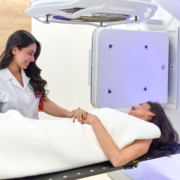
cancer radiotherapy - Cancer woman lying in bed

There are so many different forms of cancer, each of which relies on a treatment plan that can vary significantly from one diagnosis to another.

In some cases, a visit to a radiotherapy centre will be enough to destroy certain types of early-stage cancer early and help prevent it from intensifying or metastasising.

However, in other cases, radiotherapy will be used as an adjuvant treatment to remove not only the main cancerous mass but also as many cancer cells as it is safe to remove at one point.

In many cases, radiotherapy, chemotherapy and surgery, the three frontline treatments for battling most types of cancer, will be used in some combination, with the former two either being used to shrink the tumour to make it safe to surgically remove, destroy the remaining cancer cells not directly excised through surgery, or some combination of both.

They can also be used with targeted cancer drugs or immunotherapy treatments to help make them more effective. They can also be used in lower doses over a longer period to stop cancer from coming back.

What Is Recurrence?

After a diagnosis and a course of treatment, during which all of the cancer cells that can feasibly be removed have been, the cancer that a person was diagnosed with is no longer considered a threat to their health.

This is typically described as a cancer being in remission, as oncologists are hesitant to say someone is cured of cancer or is cancer-free without being able to prove that this is the case.

Complete remission, in many cases, is a declaration that tests show that there is no detectable evidence of cancer, which can sometimes mean someone is cancer-free but does not always.

Recurrence is when a cancer returns at least a year after treatment, either in the same place it was initially found or the same cancer might have moved to another point in the body.

If the cancer stops appearing on tests but then starts to again before then, it is not typically considered a recurrence but more that the cancer was damaged but did not truly go away instead.

How Often Does Cancer Recurrence Take Place?

Because there are a lot of different cancer types that behave in different ways, the likelihood of recurrence will differ tremendously depending on the type of cancer, where it is in the body, what has caused it, the types of treatment used and when it was diagnosed.

In general, early-stage cancers that are treated immediately are less likely to come back, which is one of many reasons why it is important to get tested as soon as possible to at least rule out the possibility of certain types of cancer.

Cancers that have not spread are also less likely to return, so cancer types that seldom spread such as basal cell carcinoma also rarely come back.

As well as this, recurrence is most common in the first two years after treatment, so every day that the cancer stays in remission means that it is decreasingly likely that it will come back

It is not always easy to predict, although with certain more common cancer types where the behaviour of the malignancy is better known, there is more understanding of the types of maintenance treatments that can be done to manage symptoms without harming the quality of life.

How Does Radiotherapy Help?

Radiotherapy can help in a wide range of ways to reduce recurrence or stop it entirely, depending on the treatment pathway, the nature of the cancer itself and how often it is used.

With early-stage cancer treatments, cancer radiotherapy may be the only course of treatment used and destroys all detectable cancer cells in a single course. This is often true with early-stage brain cancers, as the highly accurate stereotactic radiosurgical treatments used help to destroy cancer cells without destroying the brain.

Outside of radiotherapy being a primary treatment path, there are other ways in which radiotherapy can help with the avoidance of recurrence.

It can be used to shrink tumours, making them easier to remove and reducing the chance of micrometastases following surgery. It can also be used after surgery to destroy cancer cells in the local area.

Beyond this, it can also be used as a recurring treatment, either following remission to destroy any remaining cancerous cells that are possible to remove from the body or as a long-term maintenance treatment to keep someone in complete remission.

Each treatment will be chosen carefully to ensure it is the right option for an individual person and their circumstances, so not every person will have the same course of radiotherapy treatment at the same time.

radiotherapy centre - first linear accelerator technology IMRT

A referral to a radiotherapy centre for treatment means that a person is going to receive non-intrusive, effective and versatile treatment for a wide variety of conditions.

Brain tumours, as well as certain types of lesions and growths in the brain, are more safely managed using stereotactic radiosurgery than through other treatments, and this being the case highlights the progression in technology and medical understanding when it comes to radiation therapy.

However, radiotherapy was first discovered in the late 19th century, and within a year of this was already being used experimentally to treat various types of conditions.

Once the efficacy of radiotherapy was established, what were the conditions it was first used to treat?

The First Four Treatments

Given the scale and scope of the evolution of radiotherapy over nearly 130 years, it is quite astonishing just how quickly it was being used to treat various medical conditions, and even was used in attempts to treat certain forms of cancer.

A lot of this can be credited to the work of Léopold Freund, a Nobel Prize runner-up, the first person to suggest that X-rays can be used to treat disease, and the first person to successfully treat a patient using radiotherapy, although not the first to actually attempt it.

By the dawn of the 20th century, he was already seen as an expert in the field and had established four classes of medical conditions that even at this early stage could be treated by radiotherapy, as well as a group of conditions where radiation was used more experimentally.

Here are the four conditions, as well as the first-line treatment used today to showcase just how much radiotherapy has evolved over the years

Hypertrichosis

Often confused with hirsutism, hypertrichosis is a rare set of conditions that cause excessive hair growth on a person’s body, typically in places where they would not ordinarily have hair.

Sometimes known as werewolf syndrome, hypertrichosis is typically treated with hormone treatments, avoiding certain hair growth medications such as minoxidil or removing the hair that is already there.

Typically, this takes the form of either laser surgery or electrolysis, but in 1900 Mr Freund suggested that radiation could also remove unwanted body hair.

As people who have undergone long-term radiation therapy or chemotherapy can attest, there is a connection between radiation and a loss of hair, but within 15 years the effects of unnecessary radiation would be a cause of concern in the medical world and other treatments would take its place.

The Necessary Removal Of Hair

Mr Freund separated hypertrichosis from other situations where it could be necessary to remove hair in order to treat the disease.

This could include preparing an area for surgery or removing hairs to avoid infection or irritation, such as ingrown hairs.

These would typically not be managed through radiation but instead some kind of short-term hair removal treatment such as shaving, waxing, removal creams or plucking unwanted hairs out.

Inflammatory Skin Affections

Because the earliest form of radiation therapy involved the use of X-rays, they were most effective at treating conditions close to the skin. As a result of this, skin inflammations were a common way early radiotherapists would determine how effective radiation was as a treatment.

This included conditions such as eczema and acne, both of which are skin conditions that cause what Mr Freund described as “inflammatory affections”, which manifests as redness and irritation in the former, and spots in the latter.

Using radiation therapy is not undertaken for skin inflammations that do not have their origins in skin cancer, with a wide range of alternative options for treatment used in its place, from simple emollients to topical steroids depending on the intensity of the conditions.

Interestingly, phototherapy, a form of radiotherapy where the affected area is put under a lamp that emits ultraviolet radiation, is still an option from specialist dermatologists for some forms of eczema.

Malignant Skin Conditions

One of the first successful uses of radiotherapy was in the treatment of lupus by both Mr Freund and his research partner Eduard Schiff, primarily because it would be easy to determine the difference between the treated and untreated area of a butterfly patch flare-up on the face.

As lupus is a multifaceted condition that has a wide range of symptoms, it is typically treated by either managing the symptoms, such as using hydroxychloroquine, steroid creams or anti-inflammatory medication or through using immunosuppressant medication.

Part of the reason why radiotherapy worked is because of this, but given the nature of lupus as a condition that affects people in waves, radiotherapy was not seen as a front-line solution.

However, epithelioma, or abnormal growths on the skin, are often treated with radiation therapy as a routine procedure.

Better known as basal cell carcinoma, epithelioma is a form of skin cancer that rather unusually does not spread to other areas, meaning that it is seldom a threat to life. 

However, it can also be easily treated with cancer radiotherapy in what is commonly a routine procedure.

radiotherapy centre - radiotherapy

Radiotherapy is one of three front-line treatments used in the treatment of lesions, tumours and malignant cancers, and the earlier a cancer diagnosis is acquired, the more likely it is that visiting a radiotherapy centre is the primary, if not only, treatment pathway for patients.

This has been the case for nearly a century since Henri Coutard’s method of protracted-fractional radiation doses allowed for the aggressive benefits of radiation to be maximised whilst limiting exposure to radioactivity.

It took a fundamental shift in the scientific community’s relationship with radioactivity and a greater focus on safety and care when it came to exposure to radiation in order for this to occur.

The Importance Of Why

After William Roentgen discovered X-rays, it created a wave of interest in the new field of radioactivity and specifically radiotherapy, at the time known as Roentgentherapy after him.

Within a year of the first X-ray, people with cancer had been treated with radioactive materials with varying degrees of success and control in the tests.

The problem was that researchers knew that it worked, but were far less sure about why it worked, due to a lack of understanding about radiation and a misunderstanding about the causes of cancer.

Radiotherapy for cancer was discovered largely by accident, therefore; cancer was believed at the time to be a parasite that could be disinfected using radiation and it was only the result of chance that Victor Despeignes, Emil Grubbe, Eduard Schiff and Léopold Freund figured out its potential for fighting cancer.

This potential became the dominant driving force both in medicine and wider culture, despite a lack of an answer to the question of why it seemed to work. This is vital because this lack of understanding within the medical community at the time and lack of communication outside of it led to a lot of people getting the wrong idea as to why it worked.

This led to a phase known as radium mania or radiomania, where radioactivity was used as an inappropriate ingredient for a wide variety of products that had no clue how radiation helped to treat cancer but associated it with vigour and vitality.

This included a line of makeup products containing radium known as Tho-Radia, famous for both trying to falsely claim a connection to Marie and Pierre Curie via a similarly named but irrelevant doctor, and a highly successful marketing campaign featuring a blond woman lit from underneath as if she had a radioactive glow.

The most infamous of these, however, was Radithor, a radium salt solution sold as a generic restorative, which in the most unusual way possible led to the rise of radiotherapy as a serious medical practice by making people take radiation seriously.

Power And Responsibility

Radiation therapy is exceptionally powerful, but that power in modern radiosurgery and radiotherapy is used carefully, sparingly and proportionally to the condition being treated.

Part of that came from the Coutard method of fractionalised doses, but another part of that came through a stark reminder of the care that needs to be taken with the power of radiation.

This started in the 1920s with the Radium Girls, a group of watch-dial painters who had become deeply ill with radiation poisoning as the result of a callous disregard for their safety by management.

By 1925, Harrison Martland had proved decisively that their deaths were caused by radium ingestion, which led to a decade-long legal battle and one of the first successful cases brought against a company for their dereliction in the duty of care to their employees.

Around the same time, a young industrialist and aspiring golfer by the name of Eben Byers had hurt his arm after falling from his bed whilst riding in the sleeper carriage of a train. 

He was suggested Radithor by his doctor and would proceed to take 1400 doses of the radioactive solution between 1927 and 1930, only stopping when the effects of cancer started to take serious effect. He died on 31st March 1932.

This led to the end of a period of rank irresponsibility when it came to radiation and a rather universal understanding that its powerful effects on treating tumours and lesions needed to be harnessed carefully and used sparingly.

It led to the end of radioactive therapies and the rise of more advanced radiation therapy, which after increasingly sophisticated treatment systems became a primary front-line treatment alongside chemotherapy and surgery, with a combination of all three used as appropriate to help treat a devastating disease.

Radiation Oncology specialist, Dr. Kuczer


3D-CRT vs. SBRT


Respiratory Motion Management

Conventional (ITV-based)
– Contour and treat full tumor ROM

Accelerator beam gating
– Patient breathes normally; beam only on while patient is in a certain phase of the respiratory cycle

Active breathing control
– Patient holds breath in a certain position; beam only on in that phase of the respiratory cycle

Dynamic tumor tracking
– Patient breathes normally; tumor is tracked; beam always on and moves with tumor

Regardless of the motion management used, an additional “CTV/PTV” margin around our target is needed to ensure that we hit it.


Curative Indication - NCCN Guidelines – NSCLC


Curative Indication - NCCN Guidelines – NSCLC

  • Surgical resection is the preferred local treatment
    – An anatomical resection with lobectomy or segmentectomy is preferred to wedge resection
    – Includes sampling of at-risk ipsilateral hilar and mediastinal LN
  • SBRT for patients who are medically inoperable or refuse surgery
    Limitations: High volume (DM > 5cm) and  “ultra-central” tumors should be treated more cautiously (e.g. 10 instead of 3 fractions)
    –Limited data yet supporting the addition of systemic therapy to SBRT

Potential SBRT Toxicity Depends on Tumor Site

Risk of toxicity can be reduced through risk-adapted dose-fractionation


Outcomes of SBRT for Early Stage NSCLC


Take Home Pearl and Further Indications of SBRT for NSCLC


Reirradiation of Recurrent disease


  • Feasibility of treating with curative intent depends on site of primary (P) and recurrent (R) tumors
  • Advanced treatment techniques are particularly useful for sparing normal tissue (e.g., IMRT, SBRT, protons)
    – Reirradiating central structures (e.g., esophagus, airway) most challenging
    – Long-term toxicity is the major concern – impacted by dose/fraction

SBRT in the Management of Stage IV NSCLC

Palliative Radiation For Symptom Relief

  • Pain
    –Bone metastases
  • Neurologic symptoms
    –Spinal cord compression
    –Brain metastases
  • Bleeding
    –Endobronchial tumor
  • Dyspnea/Dysphagia
    –Tumor obstruction causing SVC, respiratory distress or esophageal narrowing

Is all metastatic disease the same?

  • No! Lung cancer has M1a, M1b and M1c designations because the metastatic state at diagnosis impacts prognosis; a small subset of patients may be cured
  • Oligometastaticrefers to a situation where distant metastases may be limited in number (typically defined as < 5 mets in < 3 organs), and potentially curative treatment can be delivered prior to the development of widespread disease


UT Southwestern Randomized Phase II Trial

  • Iyengar et al, JAMA Oncol, 2018
  • 29 patients, oligometastatic NSCLC with < 5 sites of disease (EGFR/ALK negative), PR or SD after induction chemo, randomized to +/- SAbR
  • SAbR à ↑ M-PFS (3.5à9.7mo)


SABR-COMET Randomized Phase II Trial

  • Palma et al, Lancet, 2019
  • 99 patients, variety of oligometastatic cancers with < 5 sites of disease, PR/SD on systemic therapy, randomized 1:2 to +/- SAbR (at ablative doses)
    – Most common histologies: breast, lung, colorectal, prostate
  • SAbR à ↑ M-PFS (6à12mo, p<0.001) & M-OS (28à41mo, p=0.09)
    – Also ↑ G2 or higher toxicity, but no difference in QOL


Multi-Institutional Randomized Phase II Trial

  • Gomez et al, J Clin Oncol, 2019
  • 49 patients with oligometastatic NSCLC with < 3 sites of disease, SD/PR after Pt-based doublet or EGFR/ALK inhibitor, randomized to maintenance systemic therapy +/- local consolidative surgery/RT
  • RT à ↑ M-PFS (4.4à14.2mo) and M-OS (17à41mo, p=0.02)


The Future…

Immunotherapy May Change Our Approach to Locoregional Management Too

A stronger immune response may be elicited by leaving a tumor in and irradiating it, rather than removing the largest source of antigenic stimulation.


The Future……Aktive Protokolle

PACIFIC-4 / RTOG 3515

Inclusion Criteria

  • Clinical Stage I/II node negative (T1 – T3 N0)
  • Medically inoperable or refuse surgery
  • ECOG PS 0-2
  • All comers for histology and PDL-1 status
  • Sync/Metach allowed

The Future…A Few Examples of Active Clinical Trials in Lung Cancer

CAVE: Not all new substances proofed to be safe with SBRT. Additional surveys needed!

  • NRG LU002: Adds RT (to all sites of disease) to systemic therapy for oligometastatic NSCLC
  • NRG LU004: Adds immunotherapy to IMRT or 3-D CRT for stage II-III NSCLC with high PD-L1 expression (instead of chemotherapy)
  • PACIFIC 4 and NRG/S1914: Adds consolidative immunotherapy to SBRT for stage I NSCLC
  • AEGEAN: Adds neoadjuvant immunotherapy to surgery for resectable stage II-III NSCLC
  • ALCHEMIST: Evaluating adjuvant use of targeted agents for resected NSCLC
  • RTOG 1308: Compares proton therapy to photon therapy for LA-NSCLC
  • NRG LU005: Adds immunotherapy to chemoradiation for limited-stage SCLC
  • NRG CC003: Hippocampal avoidance PCI for SCLC

Quellen


SBRT bei NSCLC

VIELEN DANK!

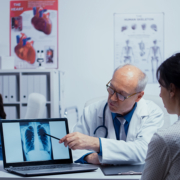
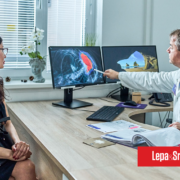
Radiotherapy Centre - doctors looking at the image

Our radiotherapy centre can now treat a very wide array of conditions. The technology of radiotherapy has been developed over the last 120 years to offer hope and extend life to sufferers of various forms of cancer.

This has become more adroit over time, with particular tools like the gamma knife being able to direct the beams more precisely than ever in sensitive areas like the brain.

Whether it is brain, prostate, head, neck, cervix, or eye, radiotherapy has been fine-tuned to deliver better results in each case. However, oncologists will often use radiotherapy in conjunction with other treatments, such as chemotherapy or surgery, to deliver the best possible results.

A New Breakthrough?

This is especially so with chemotherapy. New combinations are being trialled all the time and some provide impressive results that lead to them becoming established practices. The next to do so might be a combination of radiotherapy and a drug called AZT1390, which has been shown in new research to be safe as well as effective.

In results presented to the annual meeting of the American Association for Cancer Research earlier this month, it was revealed that the use of the drug prevents the cancer cells from repairing their DNA in the wake of radiotherapy as effectively as they normally would.

Explaining how the drug supports radiotherapy and the importance of its development, Dr. Jonathan T. Yang of the Memorial Sloan Kettering Cancer Center, who presented the findings, noted that most glioblastoma patients do not live for more than two years beyond diagnosis and progress to date on treatments has been slow.

“Despite efforts to improve survival, the current standard of care continues to be a backbone of radiotherapy with or without temozolomide without much innovation in the past two decades,” he remarked.

Dr Yang added: “This context highlights both the urgent need to develop new medicines and the historical challenges of developing novel therapeutics for this devastating disease.”

How Inhibiting Cancer Cell DNA Recovery Helps Radiotherapy

A key feature of how radiotherapy works is that it kills cancer cells by damaging their DNA, preventing them from reproducing. However, a problem that can occur, including in glioblastomas, is that cancer cells can then activate what is known as the ATM cell signalling pathway, which can repair much of the disrupted strands of DNA.

This mechanism limits the effectiveness of radiotherapy, but AZT1390 acts as an inhibitor, stopping this response and therefore slowing or even halting the pathway, meaning the cells do not repair the DNA and will therefore not be able to reproduce.

A key problem with many drugs is they have not been able to penetrate the blood-brain barrier, preventing them from supporting radiotherapy aimed at shrinking brain tumours. However, AZT1390 has been designed to do this and the latest trials have now provided firm indications that it is a safe drug as well as an effective one.

Studies showed that patients given the drug only had fairly mild, manageable and usually reversible side effects from the treatment, which indicates that using them will not have a major negative impact.

Dr Yang noted that if the early data indicating the significant effectiveness of the drug is backed up by further studies, it could provide a major new weapon in the fight against glioblastomas.

Since around half of all cancer patients receive radiotherapy, any additional or complementary treatments that increase its effectiveness will clearly have a large impact, helping increase survival rates and potentially providing useful data for future research to make further advances.

Other Ways Drugs Can Support Radiotherapy

The use of inhibitors to stop cells from repairing their DNA is just one of the ways drugs can help radiotherapy be more effective. For example, anti-angiogenic drugs can halt the growth of blood vessels in tumours, depriving them of the blood and oxygen they need to grow and thrive. While metabolic inhibitors prevent enzymes from binding, curbing cell growth.

If you have been diagnosed with cancer and need radiotherapy, there are very good reasons that you may not have that treatment alone, but the use of drugs of the kinds mentioned above to help make the treatment more effective.

That means when you come to speak to our oncologists and other experts, the plan for your treatment may have more elements to it than you might have previously imagined. But that is also a reflection of the fact that there are now more weapons in the fight against cancer.

It may be that AZT1390 is soon added to this arsenal after further research. But many drugs already have a role to play and more are sure to come in the years ahead.

Radiotherapy Centre - vegetable cutting

Facing a battle against cancer can be one of the most daunting prospects anyone can be confronted with. It is not just the reality of our mortality – since we will all die eventually – but the uncertainty of outcome, both for you and your loved ones.

At the same time, a cancer diagnosis can bring out the fighter in many people. The best attitude anyone can have is not a fatalistic one, but a determination to do what not takes to beat the disease, or at least to extend life as long as possible. This is often the attitude of those who are always determined to make the most out of every single day life brings.

However, there will be inevitable compromises. Radiotherapy centre visits will be regular events and therefore will mean there are many days when you don’t have the freedom to go about your normal business or pursue your preferred activities.

Also, the treatment is likely to bring a range of side effects, which can include symptoms like fatigue, hair loss, nausea, skin changes and – for those whose treatment focuses on the abdomen – stomach trouble, and urinary problems like incontinence. For those with cancers in the pelvic areas, the consequences can include sexual dysfunction and infertility.

This will inevitably mean that while you want to continue life as normally as possible, it will never be exactly normal. Some things will change.

Why Your Diet Must Change

While these are the consequences of treatment, there are also some aspects of your lifestyle you need to alter yourself, including your diet.

This is because the effects of radiotherapy on your body can make you vulnerable to certain problems that can arise when you consume food, either making bad things worse or simply making normal things into a problem. At the same time, however, there are foods that can help you cope better with the treatment and are therefore an ally in your cancer battle.

Firstly, there are the foods you should cut out of your diet. For example, if you like fish you can still enjoy this when it is cooked well, but you must avoid raw fish and shellfish, such as sushi, clams or oysters. Smoked salmon, soft-boiled eggs, soft cheese and cheese made with unpasteurised milk should also be avoided.

The reason is that all these can contain a lot of bacteria. That might normally just mean a small bout of tummy trouble, although you can get worse food poisoning. But when you undergo radiotherapy, your immune system will be weakened and that means any bacteria you ingest could be much more harmful to you.

In the same way, you should avoid other risky food choices such as unpeeled fruit and vegetables, while any impact of radiotherapy on your gut, causing stomach upsets and diarrhoea, will be made worse by spicy food such as curries.

If you have treatment around the chest, throat or mouth, avoid sharp-edged or crunchy food, while acidic fruits like citrus or tomatoes can actually cause burns or cuts. Alcohol does this too, so sadly you should avoid that as well. Avoid Saturated fats too. These are bad for you anyway but are hard to digest, which will make any gastric symptoms worse.

What You Should Eat

However, there are also foods you can and should eat that will do you a lot of good, as these can help you suffer fewer and less unpleasant side effects and recover from the therapy faster and more easily. This means you should be eating lots of nutrient-rich products.

While highly acidic fruits may bring problems, others are very good for you, offering lots of fibre and vitamins. Grains, vegetables and lean meats are also very good in providing healthy proteins.  

Carefully choosing the ingredients in your meals is an important step, but it is not the only issue. It is likely your appetite will be affected by your treatment and this effect may vary, so you should monitor this. But in most cases, your appetite will be reduced, so the wisest approach is to make your meals smaller but more frequent.

By doing this, you generally will not eat less, while avoiding getting bloated by consuming a big meal. At the same time, if your appetite is greatly reduced, the quality of the proteins and nutrition you get will help to compensate for a smaller intake.

Planning For Healthy Eating

To ensure you eat well, you need to plan ahead. That means discussing these matters with your doctor to ensure you are eating all the right things and eliminating others, but it also means making sure you are correctly stocked up with the right kinds of food at home.

Because radiotherapy will compromise your immune system, especially if used alongside chemotherapy, you may find you go out less and therefore eating out is something you may not do. This may not be a bad thing, for if you do eat out you will have to be very careful about what you choose.

What To Drink

Alcohol has already been mentioned here as something to avoid. Among its harmful effects is that it is a diuretic, reducing your water when you need to stay hydrated. It is very important to make sure you drink a lot, not least as this will help flush any toxins out of your body sooner, limiting their effect at a time when your immune system is weaker.

Water is the obvious thing to consume, but there are also lots of other healthy alternatives. Because you need to avoid acidic and sugary foods, you should not consume soft drinks, or cordials with high sugar content.

Taking these steps may mean you forego some of your favourite foods and drinks, but it will be worth it because it will make it easier to cope with radiotherapy, reduce additional problems, lower health risks at a time when you are vulnerable and may also establish some good habits.

The last of these factors may be worth thinking about after successful treatment. It might be tempting to celebrate the ‘all clear’ with a hearty meal and a few glasses of wine, but in the longer run, eating and drinking healthily will help you achieve the long, healthy life your radiotherapy treatment may have done so much to increase your chances of enjoying.

Radiotherapy centre Austria - radiotherapy

Ever since the possibilities of radiotherapy were first discovered in the 1890s and put into practice in the 1900s, the potential of this technology to treat cancer has been a keen subject of intensive research around the world.

Indeed, if you or someone you know comes to be treated at our radiotherapy centre in Austria, the treatments available will be vastly more advanced than anything that could be offered in those pioneering days, enabling thousands of patients to enjoy years of extra high-quality living.

Until such time as someone produces a magic bullet that will kill all cancer, terminate all tumours and ensure our cells behave benignly, the need for research will never end, with new radiotherapy techniques as important as any other treatment option.

What that means in practice is finding better ways of delivering more precise and carefully aimed doses of radiation, intending to provide the maximum radioactive blast to kill tumours and cancerous cells, while minimising the exposure of healthy cells, which can bring all kinds of unpleasant and occasionally hazardous side-effects.

CERN Provides A New Innovation

The latest development that may promise new treatments comes from work in Germany, using mini versions of the particle detectors used at CERN, Medical Express has revealed.

CERN is famous as the giant underground laboratory under the Alps that spans the Swiss and French borders, using the Large Hadron Collider to fire particles down vast underground tunnels while measuring various bits of data.

Discoveries like the probable existence of the Higgs Boson – which determines why things have mass – and gravity waves will have excited physicists, but some may ask what the practical benefits of these advances in knowledge might be.

Part of the answer may be found in Germany, where the same kind of technology on a smaller scale is now being tested in a combined effort by the German National Centre for Tumour Diseases, the German Cancer Research Centre (DKFZ), and the Heidelberg Ion Beam Therapy Centre.

Working together at Heidelberg University Hospital using a Czech-made device, the researchers are using a Timepix3 pixel detector developed by CERN to monitor head and neck tumours during radiotherapy sessions.

How The Technology Works

“One of the most advanced methods for treating head and neck tumours involves irradiation with ion beams,” said the head of the DKFZ team Maria Martisikova.

She added: “This has one unique feature: it can be precisely tailored to the depth inside the human head where the particles should have the maximal effect.”

What that means is that by using the new CERN-designed technology to provide a level of monitoring way ahead of anything previously available, the researchers can establish exactly where and how deep the ion particles are going and by monitoring the effects, establish the most effective measurements to use to bring about optimal outcomes for patients.

The importance of this, the article noted, is that like other forms of radiation therapy, ion therapy risks hitting healthy tissues, organs and nerves with radiation. In the case of brain surgery, it gives examples of the memory centre and optic nerve as among the most vulnerable areas.

Up until now, there has not been a means of closely measuring the ions sufficiently to target them precisely. This is exacerbated by the fact that the brain can change during treatment in ways that may not become apparent in ‘real-time’ during treatment, rather than showing up in later CT scans.

Lukas Marek from ADVACAM, the firm making the particle detector, said: “Our cameras can register every charged particle of secondary radiation emitted from the patient’s body. It’s like watching balls scattered by a billiard shot.

He added that this means the balls will “bounce correctly” if the latest CT scan is up to date, while if they don’t it means the brain has changed and a new scan and revised targeting are needed.

What Else May Come From CERN?

Such possibilities may not have been imagined when CERN began operating, but they have emerged as tangible benefits that the world of radiotherapy can benefit from enormously.

In the meantime, work goes on at CERN on various experiments, such as using a laser to cool a form of antimatter called positronium, which it states could pave the way for a new series of antimatter experiments, including the creation of a matter-antimatter system that emits a gamma ray-like light.

Could such a ray have the same effects as the gamma rays used in radiotherapy? Or could it exhibit some other characteristics that may one day have a medically beneficial use? It remains to be seen. But as long as such research is taking place, it could help take radiotherapy in unexpected new directions in the future.

radiotherapy centre - Gamma Knife Radiosurgery

People entering the radiotherapy centre today for precise treatment for brain lesions and tumours know that the treatment they are set to receive involves no incisions, leaves only the marks of the metal guide frame and will generally give them the opportunity to go home afterwards.

This is all possible thanks to stereotactic radiosurgery, which is itself made possible thanks to the Gamma Knife method and its inventor Lars Leksell.

Instead of a single focused beam of radiation, the Gamma Knife uses hundreds of beams that converge onto a single point, maximising the effect but minimising any damage to surrounding tissue.

Professor Leksell was a perfectionist, famously noting that no tool is “too refined” when it comes to treating the human brain and working tirelessly to perfect his methods for the rest of his working life.

However, whilst his methods and theory were exceedingly precise, his motivation for pursuing radiosurgery was far simpler; he sought out a more beautiful form of surgery.

Bloodless Surgery

Were it not for a car accident, Professor Leksell would have become a lawyer or literary critic. 

However, the passion of the doctors who treated him and the fascination he had for their methods led him to pursue medicine at the age of 20.

Initially, he struggled to find a focus for his ambitions, until he saw the work of Herbert Olivecrona, the head of neurosurgery at the Seraphim Hospital, Stockholm and the man who would ultimately train him.

However, whilst he had a great appreciation for Professor Olivecroner, he had a deep, multifaceted aversion to neurosurgery as it existed at this point in history.

Whilst neurosurgery had existed since the 1870s, it was still a procedure that relied a lot on somewhat invasive surgery without the aid of CT scans to aid in treatment planning.

It also required exceptionally lengthy recovery times; the modern average time in hospital for a craniotomy is over two weeks.

Professor Leksell had an aversion to blood and to the strong smells found in the operating theatre, and with the traumatic nature of invasive surgery he wanted to see if there was another, more refined, elegant way to perform brain surgery.

His son, Dr Dan Leksell, later claimed that his father wanted surgery to be beautiful.

The first step of this process was the development of a precise, sharp set of double-action forceps still known in operating theatres today as Leksells.  

The second was to redevelop a surgical process that had lain dormant for decades.

A New Stereotactic Frame

Stereotaxy, or the navigation of the brain through a precise set of coordinates, was first devised by Victor Horsley and Robert Clark, who in 1908 used an apparatus that relied on Cartesian coordinates to precisely map animal brains. It is believed to have never been used on humans.

By the end of the Second World War, interest had resumed in the concept of stereotactic neurosurgery, with Ernest Spiegel and Henry Wycis adapting the Horsley-Clark frame in combination with more advanced medical imaging to work with human beings.

Professor Leksell, already curious about the potential for the stereotactic method and having visited the latter at Temple University, Philadelphia, modified the concept of the stereotactic frame to use polar coordinates instead, which was more flexible and considerably easier to use.

However, he was not interested in using it to improve the accuracy and minimise the invasion of conventional surgery but instead used it to develop an entirely non-invasive process.

He also devised a method to adapt X-ray images into the target coordinates for his frame through the use of concentric circles, although unlike many of his other inventions surgeons found it too difficult to rely on. He also innovated the use of ultrasound in neurosurgery.

As well as improving this accuracy, he proposed that a series of small radioactive beams focused to a point would provide the power to destroy a lesion without damaging the surrounding tissue.

As a perfectionist, he kept working on making the frame and the beam more powerful, smaller and easier to use.

His original radiosurgery device, using a synchrocyclotron, was not precise enough for Professor Leksell, given his principle that no tool was too precise for the brain. It was also too awkward and complex for any other surgeon to use consistently.

Its relatively complete form was the Gamma Knife, which allowed for far more precision and versatility, ultimately becoming increasingly used for diseases that previously required the use of invasive neurosurgery.

Professor Leksell continued to practise until 1974 when he was 67. He passed away peacefully at the age of 78 in 1986 in the Swiss Alps.

Gamma knife cancer treatment - doctors prepares the patient for the procedure

Major treatment for any kind of ailment, especially cancer, can be quite gruelling. But with a gamma knife, it can be much less so than some imagine.

If you have a tumour that requires precise attention, sometimes the solution your oncologist will choose is excision by invasive surgery. Like any surgical operation, this will require anaesthetic, usually a general one for such a procedure.

Recovery in such cases can be hard. It may take several days for the effects of the anaesthetic to wear off, while the bruising, stitching and healing of wounds can often leave patients immobile for a while, with restricted mobility for some time after that.

However, other forms of cancer treatment can also take their toll. Chemotherapy and radiotherapy can bring a range of side-effects, with regular treatment bringing consequences such as hair loss, fatigue, nausea, stomach trouble, loss of appetite, skin irritation, urinary issues and ‘brain fog’, when thinking clearly and concentrating is difficult.

A particular concern, especially with radiotherapy, is the possible impact on sexual function and fertility, the last of these having potentially life-changing consequences for those whose plans to start or extend a family may be frustrated.

Why Gamma Knife Treatment Is Different

Gamma knife cancer treatment is something only used in specific cases when warranted and is a potent treatment, blasting the affected areas with a powerful beam of radiation. However, the actual effect on the patient in the aftermath is relatively mild compared with many other treatments.

The most important thing about Gamma Knife surgery is that it is non-invasive, which means none of the tissue trauma or potential infection risk that comes with invasive surgery. 

You will have to prepare for the operation in the right way, of course, such as washing your scalp the night before the procedure and making sure someone else is on hand to drive you to and from the operation.

During the procedure your head will be held in place, either with a metallic frame or a frameless plastic device, securing you in position so that the work can be done with precision. A local anaesthetic may be used, but not a general one. These are only given to children undergoing the procedure. You may be given sedatives to relax.

The fitting of the frame or frameless plastic is not an enjoyable experience and some may feel claustrophobic, but the good news is that what comes thereafter is not painful. Some people can even take a nap during the operation.

The Side-Effects Of Gamma Knife Surgery

Because it is so simple, involving no incision, no blood and no stitches, the process can be relatively quick, lasting no more than two hours and potentially as little as 30 minutes.

You may be kept in the hospital overnight for monitoring, but more often than not you will be able to go home. The sedatives will make you a little drowsy, but these will soon wear off.

Among the steps you might have to take will be wearing head bandages for a few days (which should be changed daily), using extra pillows to elevate your head more for a week, and washing your scalp 48 hours after the procedure. However, you should be careful not to pick at any scabs around the pin sites as that could cause infection.

Side effects could include nausea and vomiting, headaches, puncture wounds where you have had injections (such as local anaesthetic),  as well as some numbness, bruising and slight pain for up to a week around sites where your head has been pinned in place (such as to the frame) for the procedure. Hair loss can happen if the tumour is close to the scalp.

However, these are all very temporary features that will soon wear off, whereas other treatments can produce ongoing side effects (such as the loss of hair from chemotherapy).

Getting Back To Normal

More importantly, having gone home within a day of the procedure, you will be able to go about your daily routines fairly normally, apart from the likelihood that you will be advised to avoid strenuous exercise.

Indeed, you may even be able to work as soon as the next day, or do things like flying in a plane within a few days.

Gamma Knife surgery is not for everyone. It is designed to tackle particular conditions and there may be medical reasons why you cannot have it, including pregnancy (radiation can cause birth defects) or having cardiovascular devices fitted, such as a pacemaker.

Nonetheless, it is a procedure that has made a huge difference in the lives of many people. Therefore, it is very good news that it is a far less arduous treatment to undergo than so many others.