
Why Is Early Diagnosis So Important For Cancer Treatment?
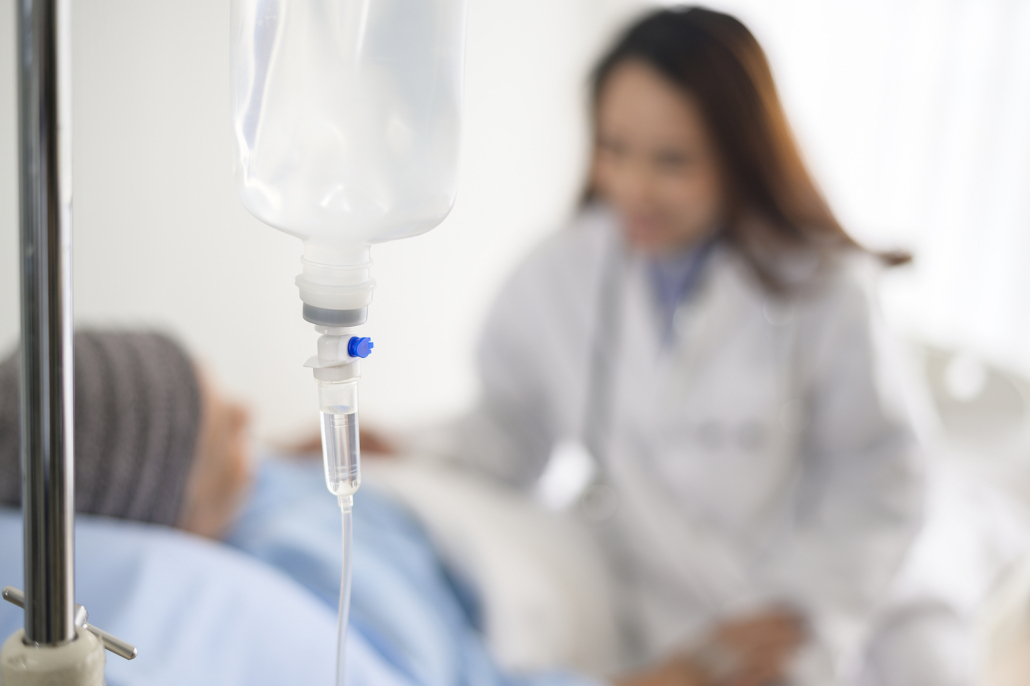
As a specialist cancer treatment centre specialising in radiotherapy, we know how important it is to have as many treatment options as possible.
Every cancer is unique in terms of its location, stage, rate of progression, and which treatments are best suited to take care of it. The more options that are available, the more effective a treatment plan will be, and the less invasive the treatments will have to be.
One of the best ways to provide as many options as possible is early diagnosis, as cancerous tumours and growths found at an early stage are typically far less complex and more comprehensive in destroying all traces of cancer.
Why is this the case? Why are there delays in diagnosing cancer? And do screening programmes designed to detect cancer sooner help to expedite treatment?
What Is Early Cancer Diagnosis?
The early diagnosis of cancer is when a tumour is discovered before it has grown or progressed to any significant degree.
Generally, an early diagnosis is when a test positively confirms that a growth, lesion or tumour is cancerous during its early stages. Typically, this means either:
- Stage 0 – The earliest stage, where abnormal cells have been found but have not spread.
- Stage I – Where a small tumour is discovered but is localised to the place where it originated.
- Stage II – Where a tumour has grown and may have spread to lymph nodes near the point of origin, but has not embedded itself significantly into surrounding tissues or bodily systems.
Does Early Cancer Diagnosis Matter?
Early cancer diagnosis matters because the optimal outcome of cancer treatment is destroying the cancer in the body entirely without damaging healthy tissue. The smaller the tumour is, the easier this is to accomplish.
It also matters for aggressive cancers, which can spread quickly, as finding and eradicating a tumour early can avoid more intensive treatment later on.
As well as this, early detection means that far more treatment options are available, and less invasive treatments can be used to remove all detectable cancer cells.
For example, a Stage III or Stage IV cancer may require a combination of radiotherapy, chemotherapy and surgery to remove, sometimes requiring procedures to be undertaken in stages. An earlier Stage I version of the same cancer could be removed using radiotherapy alone.
What Can Cause A Delay In Diagnosing Cancer?
Research shows that a quarter of cancer cases are diagnosed in hospital emergency rooms, which often implies later stages of progression and more serious symptoms.
Why is this the case? There are a few reasons why this can be the case:
- Some cancers have no symptoms at all in the early stages or symptoms that are mistaken for less serious conditions.
- Because of this, people do not visit their doctor or seek out medical advice.
- Delays in oncology referrals sometimes occur in rare cancer cases where a specialist is required to make a definitive diagnosis.
- The cancer is rare or not part of a typical screening routine.
Do Cancer Screening Programmes Help Diagnose Cancer Early?
The World Health Organisation makes a distinction between early cancer diagnosis and cancer screening programmes, with the former being an individual approach between a person and their doctor, consulting specialists and the cancer team.
The latter, on the other hand, is a specialist approach that checks people without symptoms using simple, often self-administered tests for signs of common cancers.
As these are national programmes, they vary wildly by region, but they are often used to check for common cancers where early detection significantly helps treatment outcomes, such as:
- Breast Cancer.
- Bowel Cancer.
- Cervical Cancer.
- Lung Cancer.
- Prostate Cancer.
Whilst not suitable for every type of cancer, they are highly beneficial for the early stages of common cancer types, where symptoms can be mistaken for other conditions.
How Can You Help Diagnose Cancer Early?
Outside of taking part in cancer screenings, which can help significantly in detecting cancer early and helping you get the treatment you need sooner, the best way to help diagnose cancer is to listen to your body and trust your instincts if something does not feel right.
If you notice anything unusual, talk to your doctor, even if you otherwise feel fine. It may not be cancer, but it is far more important to get it checked and rule that out rather than wait and potentially complicate future treatment.