
What Should Be In Your Diet Whilst Undergoing Radiotherapy?
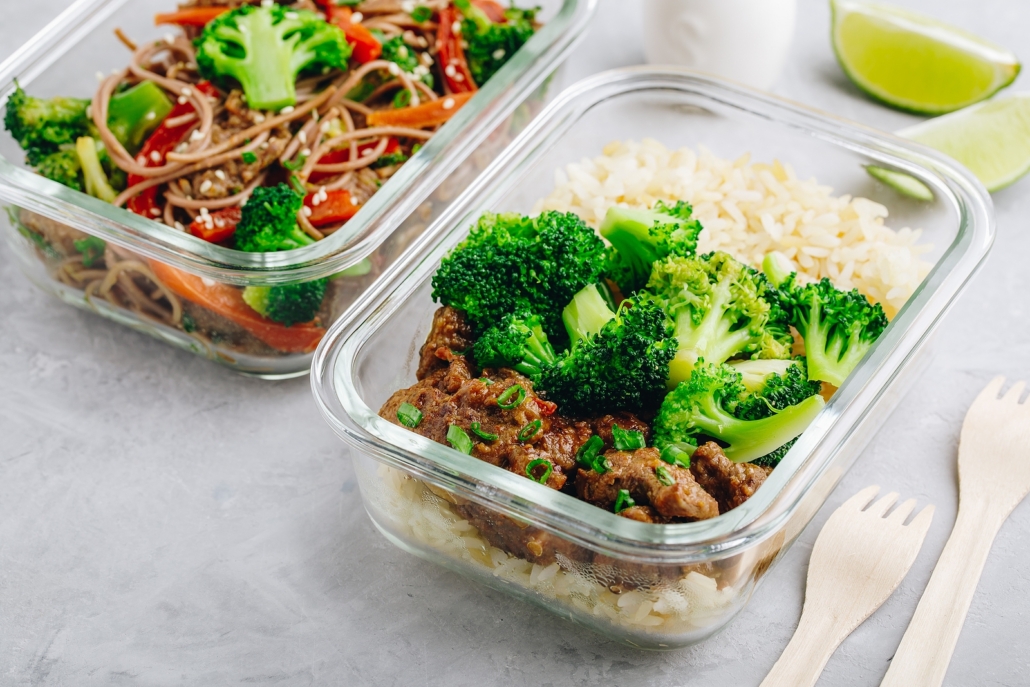
When being treated for cancer, every aspect of your treatment and overall care matters.
This is why we take a holistic approach to cancer care; not only do we employ state-of-the-art external radiotherapy machinery to undertake extremely precise treatments, but we also focus on ensuring that everything alongside your treatment is designed to help you recover fully and quickly.
This not only includes highly targeted treatments and specialist options to minimise radiation exposure, but also focuses on your lifestyle, your diet and your fitness routine to ensure that your body is ready for recovery.
Why might your cancer team develop a tailored diet for you? What kinds of foods would be included, and what should be avoided?
Why Does Your Diet Matter When Undergoing Radiotherapy?
Undergoing medical treatment can put an additional strain on your body as it works to heal itself and battle cancer.
According to the World Cancer Research Fund’s guide to eating well during cancer, ensuring your body gets the calories and nutrients it needs to thrive is an essential part of the treatment process and something that is emphasised alongside your course of radiotherapy.
Maintaining a consistent weight will help keep your energy levels high and boost your mood, which in turn can help during the course of cancer treatments.
What Should You Add To Your Diet During Radiotherapy Treatment?
There is no singular “cancer diet” you should eat during your radiotherapy course, and your appetite will often vary on a day-to-day basis.
This means that nutrient-rich, calorie-dense foods are vital to ensure that your body has the vitamins, minerals and protein it needs.
Your cancer team will be able to provide tailored advice, but some general food groups to add include:
- Healthy proteins, such as lean meat, eggs, cheese, yoghurt, beans, lentils and nuts.
- Fruits and vegetables, particularly citrus fruits, leafy greens and colourful vegetables.
- Healthy whole grains and minimally processed carbohydrates.
- Plenty of fluids, including water, sports drinks, tea, yoghurt and soup.
- Calorie-dense foods to minimise weight loss, such as avocado, peanut butter, fruit juice and butter.
What Should You Reduce During Radiotherapy?
Try to minimise highly processed foods and foods full of hydrogenated oils, as they can increase inflammation and make you feel more uncomfortable.
As well as this, red meat, alcohol and carbonated sugary drinks should be minimised and ideally cut out entirely.
Your cancer team can explain which types of food will help your recovery and which could help you feel worse.
Are There Any Foods You Should Avoid Entirely During Cancer Treatment?
Some foods should be avoided entirely, particularly if your cancer treatment affects your immune system.
In particular, these foods can carry an increased risk of foodborne diseases that should be avoided:
- Sushi and other raw or lightly cooked fish and meat products, such as deli meat.
- Foods with raw or soft-cooked eggs, such as homemade mayonnaises.
- Unpasteurised dairy products, such as some types of cheese.
- Fruits and vegetables that have not been thoroughly washed first.
How Can You Make It Easier To Get The Nutrition You Need During Cancer Care?
- Eat small meals more frequently if you struggle to manage large meals in a single sitting.
- Eat your biggest meals when you feel at your hungriest. If you struggle to eat in the morning, have a large main meal later in the day, or conversely, have a cooked breakfast.
- Avoid spicy food and food with overly strong smells to minimise nausea. Instead, opt for water, toast and easy-to-digest dry foods.
- Take your time and relax. There is no rush to clear your plate.
- Make meal preparation as simple as possible. Let other people help, buy ready-made meals, use delivery services, shop online or anything that can make your life easier.
- If you struggle to swallow, opt for soft foods, avoid anything too cold or too warm and use a straw. Nourishing drinks are available if you do not feel you can face solid food at all.
- Keep hydrated and make sure you have the right amount of fibre for how you are feeling. If you are struggling with stomach pains and constipation, reduce your fibre intake.
- Try new foods and taste profiles. Radiotherapy can alter your taste sensations, so you may find you enjoy different spices and textures.
- Talk to your cancer team before taking any supplements, to ensure they do not conflict with your treatments or medication and will provide positive effects.
- Have a walk or light exercise before eating, as this can help to build up an appetite.