
How Can Radiotherapy Help Treat Ledderhose Disease?
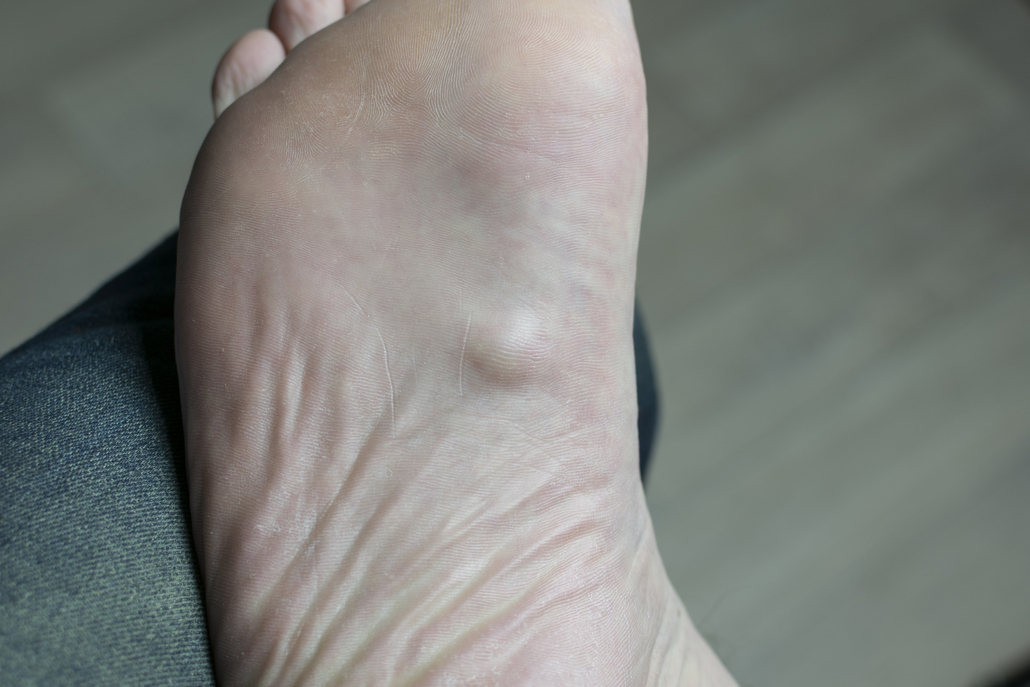
When the word radiotherapy is mentioned, most people immediately think about treatment for people with advanced cancer, or possibly a benign tumour that needs shrinking. However, our radiotherapy centre can treat many other conditions that have nothing to do with cancer or tumours.
Among these is Ledderhose Disease, which is also known by its medical name, plantar fibromatosis.
You may be diagnosed with this condition if you report to your doctor with pain in the sole of your foot. The disease manifests in the form of lumps, or nodules, called plantar fibromas, that form on the plantar fascia, the layer of connective tissue that supports the arch of the foot.
Although benign and usually slow-growing, they can sometimes grow very quickly and cause great discomfort, not least because their location means the full weight of the patient’s body presses down on them with each step. This can make standing or walking difficult.
The condition is often associated with similar forms of fibromatosis, such as Dupuytren’s disease, which causes the digits of the hand to contract.
What Are The Causes Of Ledderhose Disease?
Causal factors can include liver disease, alcohol disorder, epilepsy, diabetes mellitus and trauma to the foot. Genetic factors, especially a family history of the condition, can play a part, while the condition is more likely to affect those who are male and middle-aged or elderly.
The condition is diagnosed by a physical examination to establish the possibility of the condition, followed by an MRI or ultrasound to confirm it. If the condition is confirmed, the treatment will depend on the severity of the condition.
How Can Ledderhose Disease Be Treated?
When the fibroids are small, it may be a manageable condition with the use of padded insoles to relieve pressure or physical therapy. However, this will be insufficient if the fibroids become large and while corticosteroid injections can be effective, this is where low-dose radiation therapy can be particularly effective.
The use of radiotherapy has the same essential function in this case as when it is used to treat other conditions, such as tumours.
In each instance, the radiation helps inhibit fibroblast activity and slows disease progression.
If you come to us for radiotherapy treatment for Ledderhose Disease, you may have some significant questions to ask:
- How effective is the treatment in the near term?
- What are the longer-term benefits?
- Is it better than the alternatives?
- Are there major side effects?
Studies have found that on all these counts, low-dose radiotherapy is an effective and positive option. Note that results vary between patients and suitability depends on individual assessment.
How Effective Is Radiotherapy For Ledderhose Disease?
For example, a survey by the University Medical Centre in Groningen, Netherlands, published in Radiotherapy and Oncology in 2022, revealed that the treatment produced effective results in most patients, with both short and long-term benefits.
Researchers had set out specifically to consider the longer-term impact, and the positive findings were an endorsement of the approach. The study was conducted by following up patients who had been treated at the medical centre between 2008 and 2017.
The findings were that patients had a comparable quality of life with the wider population, thanks to the effectiveness of the treatment, while those who had undergone radiotherapy did not suffer major side-effects, with mild erythema and dry skin the only commonly noted symptoms. This latter fact can be attributed to the lower dosage of radiation.
While this study does provide supportive evidence that this is an effective treatment option, further research and clinical judgment are still required. Evidence quality will vary across treatment options.
Referring to such treatments, which include extracorporeal shock wave therapy, cortisone injections, orthotics and modifications to shoes, the conclusions stated: “The level of scientific evidence for efficacy of these options varies.”
Is Radiotherapy For Ledderhose Disease Better Than Surgery?
This leaves one further option, which is surgery to remove the growths. This may be used if all else (including radiotherapy) proves ineffective, but it is a last resort.
The Groningen study conclusions said of this option: “Surgery might be an effective option, especially for severe cases, but it cannot prevent the recurrence and often leaves painful scars and other complications.”
What this indicates is that radiotherapy may be the most effective means of treating serious cases of Ledderhose Disease, providing the long-term benefits with low recurrence and no scarring. Any side effects are usually mild and temporary but can vary between individuals.
If you have this disease and have found other treatments to be ineffective or only partly effective, mild radiotherapy could prove to be the crucial medical intervention that can restore your mobility, minimise pain and enhance your quality of life.