Dupuytren’s disease is a condition that people from northern Europe are particularly susceptible to, but our radiotherapy centre can offer treatment that can help slow progression in selected patients with early-stage active disease.
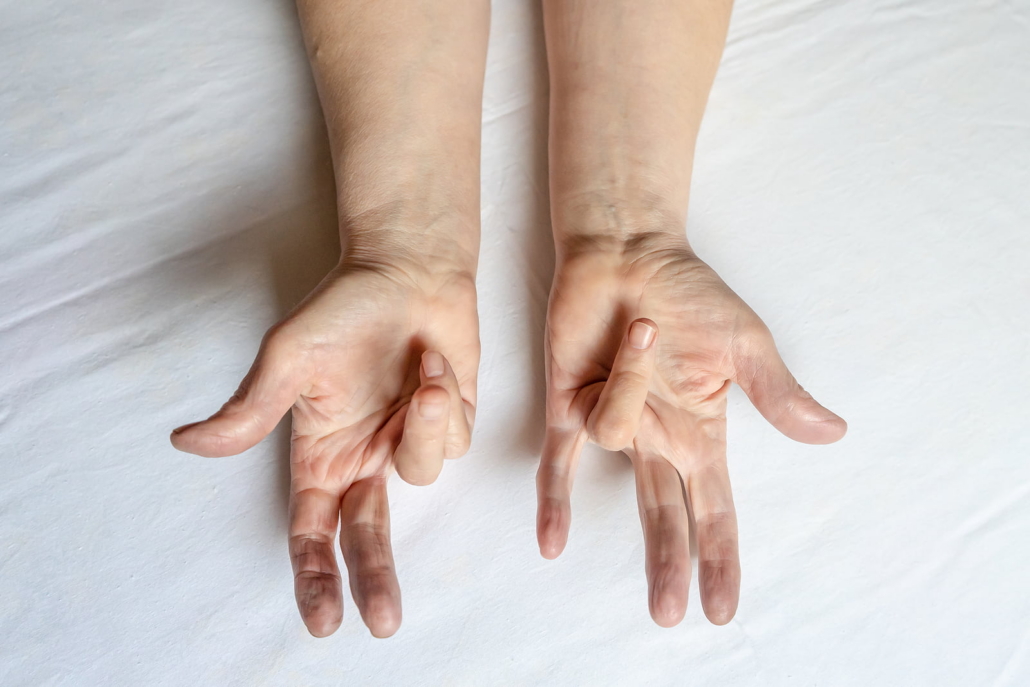
Dupuytren’s Disease affects the connective tissue of the palm of the hand and may lead to Dupuytren contracture, in which the affected fingers bend towards the palm.
The condition manifests in a thickening and fibrosis of the palmar fascia, which prevents fingers from straightening and causes a shortening of the cords that pull the fingers inwards towards the palm.
Other symptoms include:
- Difficulty placing the palm and fingers flat on a surface, which can develop as the disease progresses
- Pits or dimples in the skin of the palm, which can cause discomfort (although this is not a defining symptom)
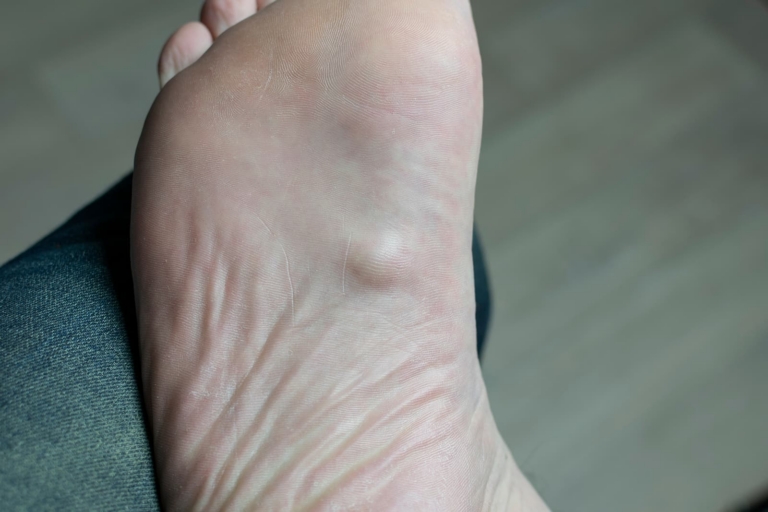
- Small lumps can form on your palm, which can remain stable, enlarge or develop into cords over time
- Hand function may become impaired, particularly when finger contractures restrict movement
What Causes Dupuytren’s Disease?
Dupuytren’s Disease has a strong genetic component and is more common in people of northern European ancestry, but it can affect people from any background.
Recognised risk factors for the disease include:
- Age
- Male sex
- A family history of the condition
- Diabetes
- Smoking and heavy alcohol consumption
- Epilepsy
Can Dupuytren’s Disease Be Cured?
No treatment guarantees permanent eradication and the disease can recur or progress after treatment. However, treatments can improve contractures and function, with some patients living with a stable condition that never requires intervention.
When it comes to treating the condition, the first issue to note is that this is not a curable condition and some people do not seek any treatment at all.
However, others will seek to reduce the effects and slow its progress. Stable or mild disease may be monitored, while treatment may be considered if the disease progresses or affects hand function.
For those who do seek treatment, approaches will depend on disease stage, recent progression, existing contracture, functional limitations, overall health and patient preferences.
Treatment selection depends on the individual’s disease characteristics and clinical assessment.
How Does Radiotherapy Help To Treat Dupuytren’s Disease?
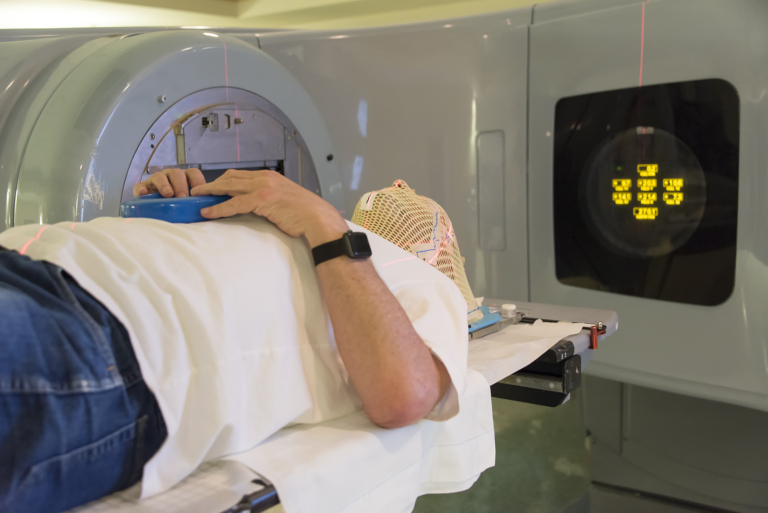
Radiotherapy can help by directing low levels of radiation at the affected areas of the palmar fascia. Low-dose radiotherapy may help slow disease progression in selected patients with early, active Dupuytren disease, particularly before significant contracture develops.
Treatment is generally well tolerated in published studies, but side effects can occur and long-term safety data remain limited.
Protocols commonly involve multiple fractions, sometimes delivered in two courses separated by a break. Further radiotherapy for later progression requires individual assessment and its benefits and risks should be considered carefully.
Radiotherapy may bring some benefits on its own, or it may be used in combination with other medical interventions that can curb the progression of the condition:
- Surgery is an option for functionally significant contractures, with the procedure determined by the patient’s condition
- A steroid injection can ease the pain in a lump, a treatment that may need repeating.
- Enzyme injections can help to break down hard tissue
- Needle aponeurotomy, which involves a needle being used to break apart tight tissue while the area is numbed with a local anaesthetic.
How Can Your Treatment Be Planned?
Radiotherapy is a non-invasive option that may be considered in selected patients with early, active disease, while surgery and other interventions are generally used to address established contractures. Evidence and recommendations will vary on a case by case basis.
Treatment planning is based on clinical assessment, which may involve collaboration with a hand specialist. The team can discuss treatment options and assess whether radiotherapy is appropriate, including the potential benefits and risks of further treatment where relevant.