
How Can Low-Dose Radiotherapy Ease Achilles Tendon Pain?
Most people are not aware that there are several types of radiotherapy. One distinction is between internal radiotherapy, where a patient is injected with a radioactive substance that provides a high dose of radiation to a certain area, and external radiotherapy, using beams of radioactivity that pass through the skin to provide treatment. But there are other variations.
In particular, there is the distinction between the high-dose radiotherapy used to treat cancer and sometimes to shrink benign but troublesome tumours, and low-dose radiotherapy that offers very different benefits.
The latter can include pain relief from a range of musculoskeletal conditions that have nothing to do with cancer or tumours.
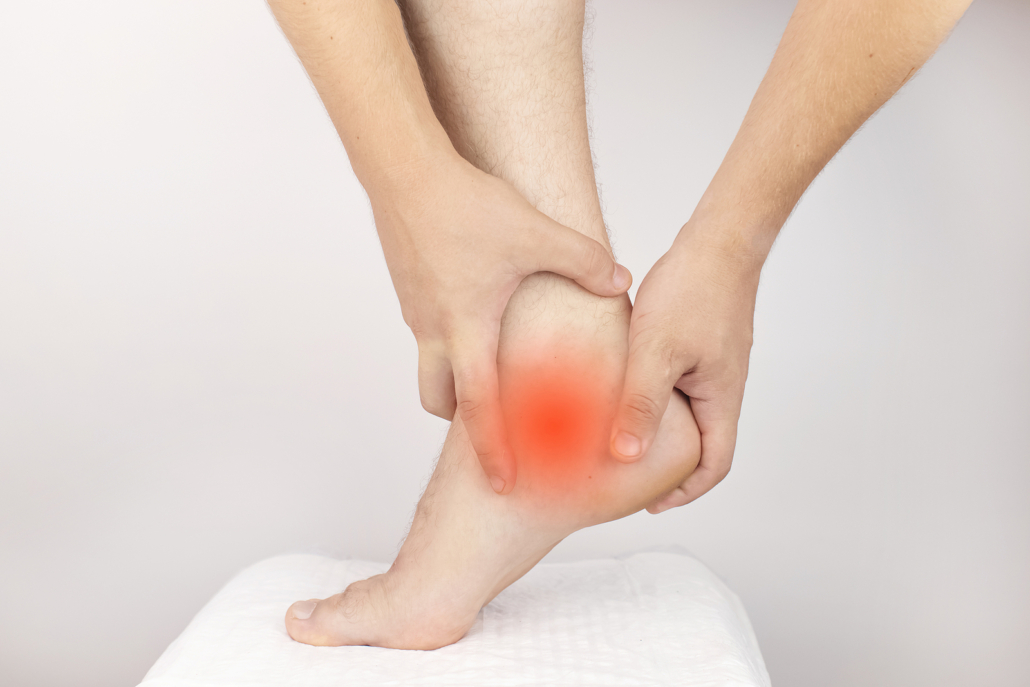
Among these is Achilles tendon pain. This can be a persistent and very troubling condition that can affect everyone from ordinary citizens going about their daily business to keen sports players who struggle with the injury as it restricts their time on the track, pitch or court.
As the tendon connects the calf muscles to the heel bone, it is very important in running and walking.
What Are The Causes Of Achilles Tendon Pain?
Several conditions can cause Achilles tendon pain:
- Achilles tendonitis, which is an injury that causes inflammation of the tendon and is often caused by repetitive strain, excess exercise or the wrong footwear. Having bone spurs, obesity, high blood pressure, flat feet, or differing leg lengths increases the vulnerability, as may the side effects of some medications.
- Achilles tendinosis, a long-term condition arising from untreated Achilles tendonitis that involves the breakdown of the collagen fibres that make up the tendon
- Achilles tendon rupture, where the tendon is torn. Often an athletic injury, it can also happen to those with health conditions such as arthritis, diabetes, lupus and gout.
The last of these may be a one-off injury that will heal well with the right treatment, which can include rest, the application of ice, pressure and elevation of the leg above the heart level in the initial stages. The other two are often bracketed together under the term Achilles tendinopathy.
How Can Low-Dose Radiotherapy Reduce Achilles Tendon Pain?
Painkillers and anti-inflammatories can help ease achilles tendinopathy symptoms, but the use of low-dose radiotherapy may provide relief for some patients who suffer from persistent and chronic Achilles tendon pain.
Sometimes, surgery is required and this may be useful for dealing with underlying causes like bone spurs.
There has also been an increased focus on the development of low-dose radiotherapy as a second-line treatment.
This has been shown to help reduce pain in selected patients in dealing with the inflammation.
Whereas high doses of radiation can achieve dramatic results, such as damaging cell DNA (which is what makes it effective against cancer), lower doses of radiation can have an impact on the body’s inflammation response, reducing it and, as a consequence, allowing the patient to feel a lot less pain and soreness.
This is related to the similar benefits low-dose radiation can provide for a wide array of other musculoskeletal disorders, such as osteoarthritis.
By using radiation rather than the chemical anti-inflammatory properties of certain drugs, this provides a new and often more effective way of treating the problem, working when the medication often does not.
Does Low-Dose Radiotherapy Produce Major Side Effects?
A reasonable question patients may ask is whether there are any side effects from the treatment.
Anyone familiar with the experience of those who have undergone radiotherapy for cancer will be aware of the effects this will have had on such patients, including nausea, loss of appetite, tiredness, sore skin and hair loss.
Minor, rare or theoretical risks are possible, but note that the difference between low-dose radiotherapy used for musculoskeletal issues such as Achilles pain and the high-dose radiotherapy used for cancer treatment is huge, with cancer treatment doses typically being 20 times as high.
To understand this in context, it is important to note that the human body is already equipped to deal comfortably with a certain level of radiation, which exists in the natural world and is sometimes naturally higher in some areas than others.
In addition, radiation is produced at low levels by many appliances, such as mobile phones.
Radiotherapy provides higher radiation doses than people will encounter in the natural environment, but not to a very large extent. It will be enough to alter the inflammatory response in the tendons, but not to cause wider side effects.
If you have been suffering from persistent tendon problems but have not gained the relief you have been looking for from other medical interventions, it may be that we can help provide lasting relief with low-dose radiotherapy.