In this interview, our partner radiation oncologist Dr. David Kuczer speaks with Maja Zakarija—a Certified Medical Travel Professional and Austria-accredited Pharmaceutical Representative—about the biggest challenges international patients face when seeking cancer treatment abroad, and how Amethyst Radiotherapy Austria provides individualised, timely care tailored to each individual patient.

Dr. Kuczer also explains how modern radiotherapy is advancing cancer treatment: for selected indications, outcomes comparable to surgery can be achieved in 3–8 short sessions (~10 minutes each) over the course of approximately 1.5 weeks, without a scalpel or anaesthesia. Suitability is always assessed by our multidisciplinary team.

Watch the full interview

Amethyst Radiotherapy Austrai David on Precision Tumour Care

Transforming Cancer Treatment in Austria—With Precision and Compassion

At Amethyst Radiotherapy Austria, we understand that a cancer diagnosis can be life-changing—for both patients and their families. That’s why we are committed to delivering fast, accurate, and non-invasive treatment using state-of-the-art radiosurgery technologies, supported by a compassionate, patient-first approach. As part of the 30th anniversary celebrations at Wiener Privatklinik (WPK), Dr David was invited to speak about our pivotal role in shaping the future of tumour care in Austria.


Watch the full interview to hear Dr David share how we integrate innovation, medical expertise, and patient care to improve lives.


Why Patients Choose Amethyst Radiotherapy Austria

Our centre specialises in stereotactic radiosurgery (SRS)—a technique that delivers precisely focused radiation to tumours while minimising exposure to surrounding healthy tissue. This advanced, non-invasive alternative to traditional surgery avoids the need for incisions, hospitalisation, or prolonged recovery.

As Dr David outlines, our approach to care is built on four key pillars:

    • Pinpoint Tumour Location
      We use advanced diagnostic imaging systems—including MRI, CT, and PET scans—to map tumours with millimetre-level accuracy.
    • Non-Invasive Treatment Delivery
      Our Elekta Versa HD linear accelerator delivers highly targeted radiation without any surgical intervention.
    • Rapid Access to Treatment
      With no long waiting lists, we offer same-day consultation and treatment planning, ensuring timely care.
    • Tailored Treatment Pathways
      Each patient benefits from a personalised care plan, based on their specific diagnosis and medical needs.


Our Centre Within WPK, Powered by Amethyst

Situated within Wiener Privatklinik (WPK)—Austria’s only private hospital—Amethyst Radiotherapy Austria merges WPK’s exceptional clinical environment with Amethyst’s expertise in advanced, non-invasive tumour care. As part of the Amethyst Healthcare Group—one of Europe’s largest and most experienced radiotherapy providers—we deliver internationally recognised cancer care standards with the personalised attention of a local specialist team.


Take the Next Step Towards Personalised Cancer Care

We are committed to offering bespoke cancer treatment tailored to each individual’s needs. From initial consultation to treatment and follow-up, every stage is guided by precision, compassion, and efficiency. Combining medical innovation with human understanding, our expert team provides rapid access to trusted, non-invasive tumour care in a calm, professional, and supportive environment you can rely on.

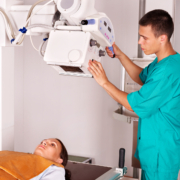
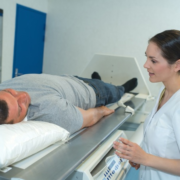
Radiotherapy centre Austria - Patient with doctor radiologist

The wonders of modern medicine and allied improvements in the understanding of matters like nutrition and toxicity have had a massive positive impact on the life expectancy of people in the most advanced countries in the world. But the benefits of advancement and affluence can bring with them a number of other health problems.

Whether it is pollution caused by industrialisation, easy access to unhealthy food that combines with sedentary lifestyles to increase obesity, or the health challenges that come from people living longer, there are some unfortunate trade-offs to contend with.

Cancer is undoubtedly one of those. Although some causes of cancer through exposure to carcinogenic substances are on the wane, such as fewer people smoking and better awareness of the risks from sunburn, other cancer-causing factors remain common and the chances of suffering from them increase with age.

EU data for 2022 has shown what the nature of the challenge now is for the Bloc’s 27 countries, including Austria. There were 2.74 million new cancer cases last year, up 2.3 per cent in the previous survey in 2020. Cancer deaths were up by 2.4 per cent to 1.3 million.

While the 0.1 per cent gap between case and death rates may not be statistically significant, nor does that indicate that a greater number of people are surviving.

The data showed that the most common form of death was still lung cancer, accounting for 19.5 per cent of cases, with colorectal cancer second at 12.3 per cent.

This differed somewhat from the detection rates, with lung cancer only accounting for 11.6 per cent of diagnoses, less than the 12.1 per cent figure for prostate cancer, the third most commonly diagnosed cancer but not one of the top four killers.

Of course, cancer treatment was impacted by Covid as lockdowns left some hesitant to seek medical examinations and a possible diagnosis for fear of contracting the virus, a genuine concern for older and more vulnerable people. However, the figures identified in the survey reflect some longer-term trends and pose a significant healthcare challenge.

If more people will contract cancer, it is important to ask what can be done about that. Should it be simply accepted that for many, this is how they eventually die in old age when in the past they would not have lived so long? Or can advances in radiotherapy and other treatments bring down mortality rates?

At our radiotherapy centre in Austria, every life saved is a triumph, although it must be noted that sometimes even the best radiotherapy can only prolong the life of cancer patients, not cure them outright.

The science of radiotherapy has been advancing ever since it was first used at the turn of the 20th century. Given the side effects that the use of radiation against cancer produces, the trade-off has always been at the centre of research into ways of making radiotherapy more efficient.

Of all the innovations in this area, the gamma knife may be the greatest, because it is so effective at focusing radiation exactly where it is needed, leaving surrounding areas virtually untouched, a critical issue when dealing with brain tumours.

However, other radiotherapy developments have similarly advanced the focus of beams, helping to direct radiation with ever more intensity and precision.

With this in mind, alongside advancements in other cancer treatments, there can be genuine hope that overall deaths can be reduced and that in time, even if cases rise, mortality can head in the opposite direction.

Indeed, while the EU figures were prefaced with the acknowledgement of the significance of old age in increasing cases and mortality, it also noted that 25 per cent of women and 31 per cent of men were expected to be diagnosed with cancer before the age of 75, with mortality rates of nine and 14 per cent respectively. Cutting the latter is a real goal to aim for.

Of course, the overall EU picture is different from that of individual countries. The charts show Austria fared better than average for both identified cases and mortality. That may indicate both better healthcare and healthier lifestyles to start with.

The EU currently projects that all-age mortality from Cancer will rise by 18.39 per cent to 3.25 million a year by 2040, with demographic factors accounting for the whole of this increase. With some EU countries having low birth rates and even falling populations, this is likely to be a matter of populations being older, not more numerous.

Austria is tipped to remain one of the countries with the lowest increases, but here and everywhere across Europe, the challenge will be to find ways of getting the numbers down.


Radiotherapy Benefits Patients with Metastatic Prostate Cancer

… and using VMAT and image guidance technology makes it well tolerated

By Amethyst Radiotherapy

New research has shown how radiotherapy combined with others standard treatments for advanced prostate cancer can extend life while avoiding significant side-effects.

This was the finding of the STAMPEDE international study shows benefits from radiotherapy for prostate cancer, conducted by a combination of British-based researchers. This backs up previous data presented to the 2018 European Society of medical Ongology Congress.

Combining radiotherapy to the prostate and hormone therapy can raise survival rates among men with advanced prostate cancer by an additional 11 %, which amounts to two extra years of life on average.

This will be good news for men visiting our Amethyst radiotherapy centre in the Vienna Private Clinic Cancer Center , as the life-extending benefits do not stop there. Especially by using VMAT and Image guidance technology therapy can be applied with a highly focused precision allowing healthy organs to stay unharmed a lot better so therapy will be tolerated well and to maintain the best possible quality of life next to improving life expectancy.

For example, the research found that 65 per cent of men who had recently been diagnosed with prostate cancer that had spread to the bones and lymph nodes and received radiotherapy on top of hormone treatment survived for at least five years. This compares with a five-year survival rate of 53 per cent of those who did not have radiotherapy.

Chief investigator of the STAMPEDE trial Professor Nick James acknowledged that the original 2018 findings had been “surprising”. He added: “Previous thinking was that if the cancer had spread then the horse had bolted and there was no point in shutting the stable door by treating the original disease site.”

Furthermore, he said, the findings suggest prostate cancer sufferers will not be alone in benefitting, commenting: “This could potentially benefit people with other cancers that have spread to other parts of the body too.”

According to the World Cancer Research Fund, there were more than 1.4 million cases of prostate cancer globally in 2020, with 375,000 deaths. The cancer is the fourth most common cancer overall and the second most common for men.

Medical Advisory Dr. David Kuczer


Long-term benefit of radiotherapy confirmed in advanced prostate cancer – The Institute of Cancer Research, London (icr.ac.uk)

Prostate cancer statistics | World Cancer Research Fund International (wcrf.org)

How Radiotherapy Relieves Cancer Pain

The vast majority of people who have booked appointments at our Radiotherapy Clinic  in the Vienna Private Clinic Cancer Center  have done so in order to take advantage of a highly targeted, specialist treatment that helps to remove lesions and tumours before they can cause harm through growing and spreading.

The stereotactic radiosurgery, for example, is a highly effective targeted radiotherapy treatment that uses a range of focused beams of radiation to destroy tumours with little damage to surrounding tissue.

However, besides treatment, radiotherapy has a number of other purposes, one of which is less about a curative treatment and more focused on palliative care and relieving the pain that can come from more advanced stages of cancer.

Whilst primarily used for helping relieve the pain associated with bone cancer, it can be used to help with the management of other types of cancer induced pain.

How Cancer Causes Pain

To understand how radiotherapy helps with pain relief, it is important to know the reasons why cancer can cause people pain.

When tumors grow, they can start to press against other parts of the body, such as nerves, organ tissue and bones. Another mechanism is when the tumor grows into a tissue (e.g. bone) and by that destroys it and causes there painful inflammation.

With bone cancer, this destruction can lead to fractures and breaks, which can cause agonising pain that compounds the pain caused by cancer in the first place, which can reach the point of being unbearable at more advanced stages. If the destructed bone is within the spine, breaks could even cause paralysation, which is a much feared result from bone metastases and therefore needs swift treatment in order to be avoided.

What Radiotherapy Can Do For Your Relief

Radiotherapy works to reduce pain in similar ways to how it can help reduce or remove cancer at less advanced stages.

It reduces the size of cancer tumours, which stops them from pressing against nerves and other parts of the body, and can in some cases make these tumours more viably treated.

For tumours that press on the spinal cord or have started to obstruct the airway, these can provide significant relief or even become a vital part of treatment.

It can help to heal destructed bones and so prevent bone fractures and palsy.

It can also be used if a cancer is ulcerating and thus causing bleeding by healing cancer caused  ulceration and stop the bleeding.

However, it cannot always be used and targeted radiotherapy in the process of pain relief must be mindfully  used by an experiences radiation oncologist in order to achieve the necessary relief.

This is also managed by using lower doses and fewer sessions of treatment  in palliative radiotherapy than would be used in curative settings since the purpose is to shrink the tumour rather than completely excise it.

It can also be used in combination with other medications and treatments to help relieve pain as well, depending on the type of cancer and how it reacts to different treatments.

Palliative treatment is not intended to cure the cancer, but it is commonly effective at reducing symptoms and allowing a better quality of life as well as a longer life expectancy for people in the advanced stages of cancer.

Medical Advisory Dr. David Kuczer


Source: Amethyst Radiotherapy

How Prostate Cancer Can Be Identified And Effectively Treated 

By Amethyst Radiotherapy Vienna

Prostate cancer is a disease that kills thousands of men in Austria every year, but the rate at which it does so is less than in most European nations.

That is because the disease is not necessarily a death sentence, and the countries in which it is detected and treated earlier will have higher survival rates.

Eurostat provided the most recent statistics on mortality rates for prostate cancer in 2018. The chart of EEA countries (including the UK, which was still in the EU then, plus non-EU nations like Norway and Switzerland) saw Austria having the 11th lowest rate out of the 31 listed.

The Austrian mortality rate was 29.4 per 100,000 men, which compared favourably with neighbours like Germany and Switzerland, but was worse than Italy.

Overall, the lowest death rate was 18.9 in Luxembourg, with the highest being Estonia at 50.9, followed by Sweden at 50.4.

Needless to say, a key factor in survival can be having treatment at an experienced radiotherapy clinic like the Amethyst radiotherapy  in the Vienna Private Clinic Cancer Center , but first it is important to spot symptoms and get a swift diagnosis. As with any cancer, the sooner it is identified and treated, the better the chances of survival.

Writing for Targeted Oncology, US-based radiotherapy oncologist John Sylvester noted that many of the common symptoms that can indicate a problem needing investigation, such as urinary problems or blood in urine, are not always present.

For this reason, he said early screening, especially for those at high risk such as men from certain ethnic groups or those with a family history of prostate cancer, can save lives.

Dr Sylvester went on to note that while surgery can work for some patients, it is not the only option and that treatment options “become more limited” once the prostate itself has been removed. Moreover, he noted, research has shown that “combining radiotherapy with brachytherapy provides a better chance of preventing local cancer from metastasizing”.

So by getting checked out early, patients may find that they can tackle prostate cancer swiftly and effectively without having to resort to life-changing surgery.

Medical Advisory Dr. David Kuczer

Why Oligometastatic Prostate Cancer Is Now More Treatable

… and using stereotactic radiotherapy makes it well tolerated and highly effective

By Amethyst Radiotherapy Vienna

Prostate cancer is one of the most common forms of cancer in men and incidences of it are rising. Across Europe, 30 million men alive now will receive a diagnosis of the disease in their lifetime, with 75,000 dying each year.

The number of diagnoses in the EU and EFTA has doubled since 1995, with the causes of this being uncertain. By 2018 more than a fifth of cancer cases in men were of the prostate, highlighting the need for oncologists to respond.

Curiously, the levels of prostate cancer varied markedly between countries, with Romania lowest at just 63.6 per 100,000 to Sweden’s rate of 211.6. The average figure was 151.2.

In comparison, Austria had a much lower rate of 130.2, but this was still over double that of Romania and higher than neighbours Hungary and Slovakia, though less than Italy, Switzerland, Slovenia, the Czech Republic and Germany.

Even with Austria in the lower half of this grisly table, many men will want to get private stereotactic cancer treatment. The good news is that the capacity of oncologists to treat some forms of the disease has become significantly more advanced in recent years.

This will be good news for men visiting our Amethyst radiotherapy centre in the Vienna Private Clinic Cancer Center , as our oncologist looks back to more than 20 years of experience in high precision stereotactic radiotherapy. Especially by additionally using VMAT and Image guidance technology therapy can be applied with a highly focused precision allowing healthy organs to stay unharmed a lot better so therapy will be tolerated well and to maintain the best possible quality of life next to improving life expectancy. By high precision is meant the resolution of 1 pixel which equals 0.8 mm. And using VMAT reduces dose exposure of adjacent healthy organs within a perimeter of 3 – 5 mm around the tumor to only a fraction of the treatment dose.

As Cure Today reports, this is certainly true with oligometastatic prostate cancer. The term refers to an intermediate form of the disease where it has progressed beyond a localised cancer but is not yet a fully-emerged metastatic disease.

Speaking to the journal, retired US-based urologist Mark Samberg said his diagnosis in 2020 meant his career brought both advantages and disadvantages – the latter being that he knew how such situations often ended for patients. The positive was he knew the “right questions to ask” and understood aspects of his condition.

This included the fact that he was diagnosed as being in the oligometastatic phase, something most patients would not know existed.

However, that was true of oncologists too until the mid-1990s. That is when oncologists Samuel Hellman and Ralph Weichselbaum proposed such a state could exist. Their research focused on prostate cancer because of its high prevalence.

The understanding that has grown since then of oligometastases has enabled more tailored treatment to be carried out, including radiotherapy, as well as other treatments like chemotherapy.

Dr. Neha Vapiwala, professor and vice chair of education, radiation oncology, at the University of Pennsylvania in Philadelphia said oligometastes are usually detected by scans showing metastes in five regions.

“We might be able to intervene with treatment that’s more aggressive, targeting the handful of lesions that are seen, usually in addition to the normal systemic therapy we would give,“ he observed, adding that this could help lower the “tumour burden” and extend the survival time of the patient.

The report also noted that improvements in screening technology mean oligometastic prostate cancer is now easier to identify at an early stage.

Meanwhile latest reports on metastases directed radiotherapy in oligometastatic disease showed that this novel treatment option allows to postpone the use of male hormone depleting therapy (ADT). This allowing  patients to continue their usual sexual life quality.

While Austria may be better off than most of its neighbours when it comes to prostate cancer occurrence, there will still be many men who have it and some will be in an oligometastic stage. That is why it may be good to know that if this is the case, the capacity to treat it with radiotherapy and other means is greater than it was just a few years ago.

Medical Advisory Dr. David Kuczer


PROSTATE CANCER (efpia.eu)

Oncologists Can Now Better Detect and Treat Oligometastatic Prostate Cancer, Leading to Improved Survival (curetoday.com)

Metastasis-Directed Therapy for Prostate Cancer Increases PFS, Time off Hormones

— Radiotherapy led to “dramatic” slowing of progression, increased time with normal testosterone

Salvage Nodal Radiotherapy as Metastasis-Directed Therapy for Oligorecurrent Prostate Cancer Detected by Positron Emission Tomography Shows Favorable Outcome in Long-Term Follow-Up

Metastasis-directed Therapy Without Androgen Deprivation Therapy in Solitary Oligorecurrent Prostate Cancer