What Are Keloids And Is Radiotherapy An Effective Treatment?
Although keloids are not harmful to your health, they can make you feel self-conscious or even cause emotional distress. This is particularly true if they are somewhere very visible, like on your face.
Let’s look at keloids in more detail, including what causes them and what you can do to treat them.
What are keloids?
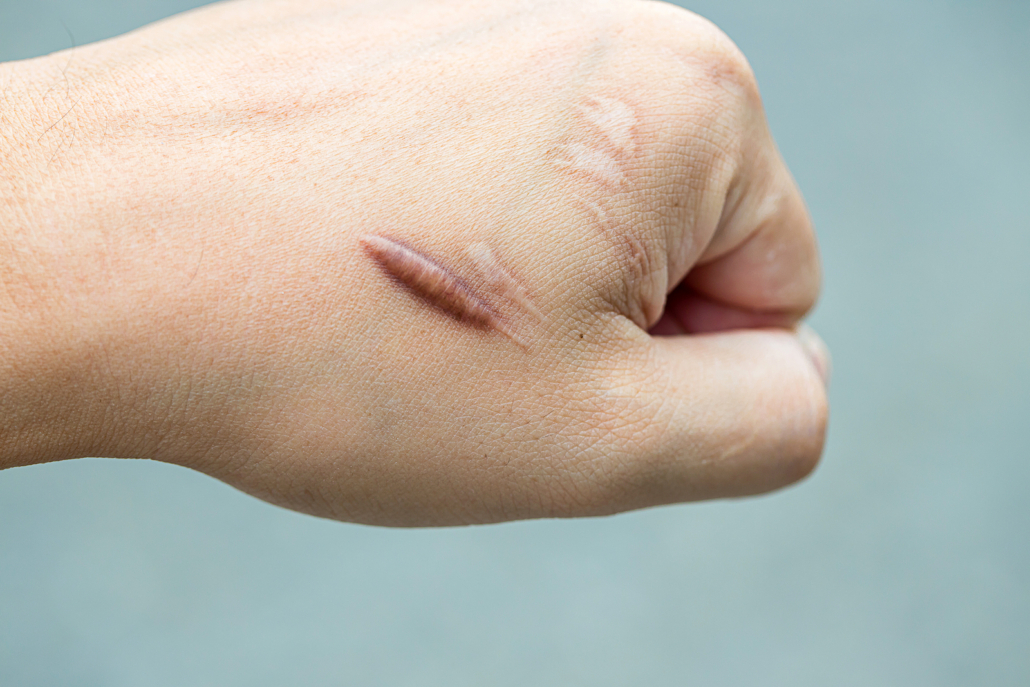
Keloids are scars that appear as raised marks on your skin. They are typically hard, smooth and shiny in appearance. Keloids can develop from minor skin trauma, like acne or an insect bite, as well as from more serious injuries.
Keloids are different from hypertrophic scars. This is because keloids tend to extend beyond the site of the original wound.
By contrast, hypertrophic scars form in the location of the original wound, but don’t get any bigger than that. A keloid can be itchy and painful when it is developing. If you get a keloid over a joint, like your shoulder, it can restrict your range of movement too.
What causes keloids?
Keloids are thought to be caused by an overproduction of collagen during the wound-healing process. Collagen is essential for your skin when a wound is healing, but if your body produces too much of it, it can form a keloid.
Research indicates that when someone develops a keloid, their body gets stuck in the second stage of healing: the fibroblastic phase.
During this stage, the body produces collagen and cytokines. But if it stays there too long, you end up with too much collagen. In medical circles, this is often referred to as an “abnormal scar response”.
People who are prone to keloids can develop them due to seemingly insignificant skin damage. As well as acne and insect bites which we’ve already mentioned, tattoos, piercings, burns and even minor cuts can result in a keloid developing.
Do keloids go away on their own?
No, keloids do not resolve on their own. They can take months or years to develop and may not start to appear until long after your skin is damaged. In some cases, keloids can take years to appear on previously damaged skin.
Even if you have a keloid surgically removed, it can grow back. But this is where external radiotherapy comes in.
How can you treat keloids?
There are various options for treating keloids and reducing the irritation they may cause. The kind of treatment you choose will likely depend on where on your body your keloid is located, and how much discomfort it’s causing you.
The most common treatment options for keloids are:
- Steroid injections
- Laser therapy
- Cryotherapy
- Surgery followed by radiotherapy
Steroid injections, which will be administered monthly, can help to flatten the keloid, but won’t lead to it completely disappearing. Similarly, laser therapy can be used to flatten a scar, but this won’t remove it either.
Cryotherapy, meanwhile, is generally only appropriate for smaller keloids. It can reduce or remove the scar in some cases. However, with all three of these treatment options, you run the risk of hypopigmentation of the skin.
Does radiotherapy work for keloids?
Radiotherapy has been found to work as a treatment for keloids, both alone and following the surgical removal of the scar.
Radiotherapy is sometimes used as a standalone treatment for large keloids or those that have demonstrated resistance to other treatment options.
However, radiotherapy is most often used to treat keloids after surgical removal. Research has found that surgical excision of a keloid followed by postoperative radiotherapy is highly effective at preventing the keloid that is removed from recurring.
This is because the radiation therapy prevents the body from becoming trapped in the fibroblastic phase of healing. Low dose radiation is effective at preventing fibroblasts from rapidly growing, thereby preventing a new keloid from developing.
If you have radiotherapy for a keloid, you will receive a low dose of highly targeted radiation on the site where the keloid has been removed. The dosage is carefully calculated so that the healthy skin underneath the keloid is not affected.
Our consultants will work closely with you and your surgical team if you are having the keloid surgically removed, to create a treatment plan that will have the greatest chance of preventing your keloid from regrowing.
In many cases, you will only need two radiotherapy sessions following your surgery. The first will be planned within 48 hours of your operation and the second will take place around a week later. At our facility, you will receive a bespoke treatment plan before your surgery.
This ensures you can make a fully informed decision about the most appropriate treatment option for you.
