
August is World Cancer Support Month 2026 and this annual event involves a wide array of initiatives to highlight the fact that cancer care is not simply a technical medical issue, but also about providing various forms of support for patients and their loved ones.
This is a critical matter in cancer care. Because of the potential life-changing implications of a cancer diagnosis, the impact is invariably profound, both for the patients and their families.
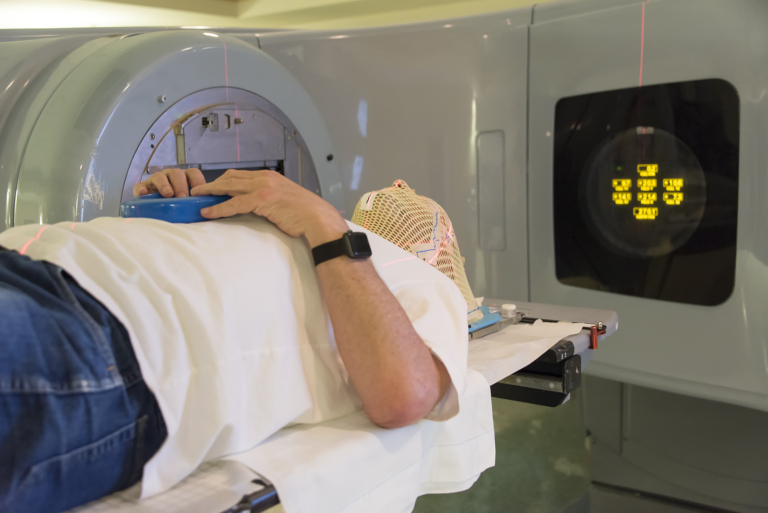
Furthermore, the kind of treatment we provide here at our radiotherapy centre, while very effective, can also be aggressive, may come with significant side effects and often requires multiple courses. Facing this can be very daunting.
On top of this, there can be further uncertainty for patients, as there is no one-size-fits-all approach to treatment. The best course depends on a range of factors, but also requires informed consent. This is a key area in which treatment becomes tailored and very personal.
What Issues Does World Cancer Support Month Highlight?
World Cancer Support Month highlights the needs that cancer sufferers and their families have besides purely medical care:
- Emotional support for patients
- Emotional support for caregivers and loved ones
- Advice on associated medical issues like diet, nutrition and rehab exercises
- Long-term survivor care
At the same time, it is an opportunity to achieve some other important goals:
- To tell inspirational tales of those who have beaten and recovered from cancer
- To raise funds for research
- To increase resources for support services
How Does Our Approach Reflect The Values Of World Cancer Support Month?
Part of the role of support will invariably be played by families, charities and other voluntary bodies in civil society. But a huge part of the role is played by professionals.
Some of that comes in the delivery of treatment, diagnostics and research. But our approach seeks to embody the philosophy of World Cancer Support Month in how we treat all our patients and those around them.
This can start with practical steps we can offer, such as:
- Supporting visa applications for those travelling to Austria for treatment from other countries
- Providing accommodation for patients and their families when necessary
- Ensuring the kind of fast-track access to cancer services not easily available in the Austrian state health system
However, this is only the start. When a new patient comes to us, the care of the whole person starts immediately.
At this point, the diagnosis will already have been made and patients may even have had some treatment already. Nonetheless, our approach is to take a fresh look at each patient’s circumstances and situation.
This means there is no single answer in terms of treatment plans, which is always the best approach to take because a wide range of factors will influence the best options, something that may not have been reflected in treatment given to patients before they come to us.
Among such variables are:
- The age of the patient
- The state of the patient’s wider health
- The stage the cancer is at
- Whether genetic factors have a major influence
This form of personalised cancer care is sometimes known as precision oncology.
Why Is Information And Consent A Key Part Of Supporting Cancer Patients?
Central to our approach is ensuring that the patient and their loved ones stay informed about all these factors and how they impact treatment options, so that everyone can be in agreement on what to do, while expectations can be managed.
Managing expectations is a part of the emotional support we provide. It means offering additional services to counsel people and providing links to support groups, as well as using discretion and care in our day-to-day interactions with patients and their loved ones.
Even for those who end the process cancer-free, the need for support can be significant. In some cases, there may be lasting medical consequences caused by surgery or other aggressive treatment, while the emotional strain of facing cancer does not simply vanish.
This can also apply to those close to a patient, not least if they have to help with ongoing needs, while other lasting consequences can include financial issues and the fear of cancer recurring.
It is because cancer affects the whole person that events such as World Cancer Support Month exist. Based on the same recognition of needs, we aim to provide full support to all who need it in every month of the year.