
While receiving a breast cancer diagnosis can be scary, treatments for this form of cancer have developed considerably over the years. In addition, national screening programmes mean that breast cancer can often be caught early, which significantly improves outcomes.
In fact, the findings in this area are encouraging. According to national cancer data, women whose breast cancer is diagnosed at an early stage have an excellent outlook, with five-year survival rates of around 96 per cent.
A study presented at the 15th European Breast Cancer Conference in 2026 found very low rates of local recurrence among patients receiving modern, individualised treatment, including appropriately selected radiotherapy.
However, recurrence risk varies depending on the type and stage of breast cancer, as well as the treatments received.
This research also highlighted the positive impact that radiotherapy has on both treating breast cancer in the first instance and on helping to prevent recurrence of the disease over the longer term.
In particular, this study highlighted how radiotherapy can reduce breast cancer recurrence when the patient has had surgery to remove the tumour, rather than a full mastectomy.
The key is in tailoring the radiotherapy treatment to suit each patient, based on how their surgery has gone and based on how well their chemotherapy treatment prior to surgery has worked to shrink the tumour.
The need for radiotherapy depends on several factors, including the type of surgery, lymph node involvement, tumour characteristics and individual recurrence risk.”#
How can I find out what my risk level is?
If you have received a breast cancer diagnosis, or are undergoing treatment at present, you can ask your oncologist to explain your risk level to you.
In the study we’ve cited here, low-risk patients were those who had a full mastectomy, rather than just removing the tumour, and who showed no signs of cancer in their lymph nodes.
Intermediate-risk patients were those who had cancer in one to three of their lymph nodes, while high-risk patients had cancer in four or more of their lymph nodes. If you are unsure of what risk level you are at, it is best to speak to the medical professionals who are treating you.
What happens if you need radiotherapy for breast cancer?
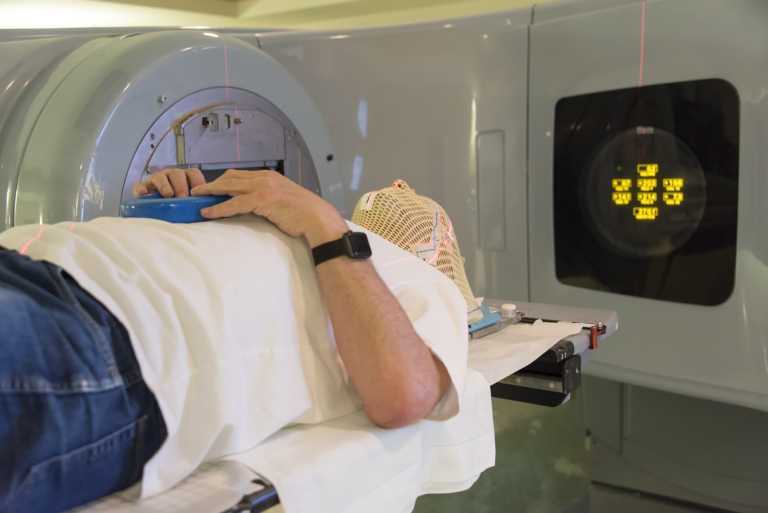
When you visit your radiotherapy centre, trained clinicians will explain the process to you so that you know what to expect from your treatments.
Each person is different and that means you will receive a highly tailored, precise treatment plan that is created using a specially designed computer system.
Your treatment plan is usually created using a dedicated CT planning scan, sometimes alongside MRI or PET imaging where appropriate.
Your oncologist will then review this plan and explain it to you, as well as helping you to prepare for your first radiotherapy treatments.
The reason radiotherapy for breast cancer has proven so effective is its highly targeted nature. The precision modern radiotherapy machines offer enable us to target the tissues most at risk, while minimising radiation exposure to surrounding healthy tissue..
As a result, we can deliver targeted radiation therapy to the tissues around the site of your tumour without targeting your lymph nodes if that is most appropriate. Alternatively, we can precisely target your lymph nodes if cancer is present here.
We use advanced radiotherapy techniques at our facility to ensure we can optimise the dose of radiation delivered to your tumour.
This helps minimise radiation to healthy tissues while delivering the prescribed dose to the treatment area.
Can you have radiotherapy for breast cancer more than once?
You may need a second course of radiotherapy for breast cancer in some situations, but this will depend on your personal circumstances and how the disease progresses in your body.
This is often referred to as reirradiation in medical literature. It specifically refers to a second course of treatment, rather than requiring multiple doses of radiation therapy during one course.
In fact, most radiotherapy for breast cancer will be delivered in several doses over multiple sessions to get the greatest benefits. However, should your breast cancer recur, it is possible that you may be advised to undergo a course of radiotherapy for a second time.
Do you always need radiotherapy to treat breast cancer?
Not all cases of breast cancer require radiotherapy. In some cases, surgery and chemotherapy will be sufficient in the first instance.
Should your cancer recur, however, radiotherapy is often one of the treatments recommended to help remove the tumour. As with all medical conditions, the best course of action will depend on your specific circumstances.
If you are unsure of what treatment is most appropriate for you after having received a breast cancer diagnosis, it is advisable to speak to your doctors and specialists in this field who can help you understand the most suitable treatment options for you.