
Breast cancer is one of the most common cancers, with different patient-centred treatment approaches available, based on a wide range of factors.
According to some of the most recent data from the European Cancer Information System for the EU, published in 2023:
- 374,800 women and 4,400 men were diagnosed with breast cancer in the EU
- This accounted for 29.4 per cent of cancers diagnosed in women
- The estimated cumulative risk for women of developing breast cancer by age 74 is one in 11
- Austria has one of the lower incidences of the disease in the EU, with the highest rates found in France, Finland, Denmark, the Netherlands, Belgium and Luxembourg
Why Should Breast Cancer Treatment Be Personalised?
If you come for breast cancer treatment in Vienna, an initial assessment of your circumstances is carried out before a course of treatment is agreed upon, tailored specifically to suit you.
Factors accounted for when devising personalised oncology plans include:
- старост
- Опште здравље
- Генетика
- Фаза дијагнозе
- Whether metastasis (secondary cancer) has occurred
- Tumour characteristics, such as hormone receptor status, HER2 status, tumour size, grade, lymph node involvement and surgical margins
When Is Radiotherapy Used In Breast Cancer Treatment?
The role of radiotherapy in лечење рака дојке varies on an individual basis, taking into account tumour size, cancer stage and so on.
It is often used to complement surgery, which can take two forms. The first of these is a lumpectomy, when a section of cancerous tissue is surgically removed from the breast. A second and more radical form of surgery is mastectomy, when the entire breast is removed.
In these cases, radiotherapy is used as an adjuvant, reducing the risk of local or regional recurrence by treating potential microscopic disease.
This can be the course of action after lumpectomy and mastectomy procedures, although this is not always necessary in the latter case, as the total removal of the breast can often excise all cancerous tissue.
Other treatments may include hormonal therapy or chemotherapy, which are also used to combat any remaining cells.
How Is Radiotherapy Administered To Breast Cancer Patients?
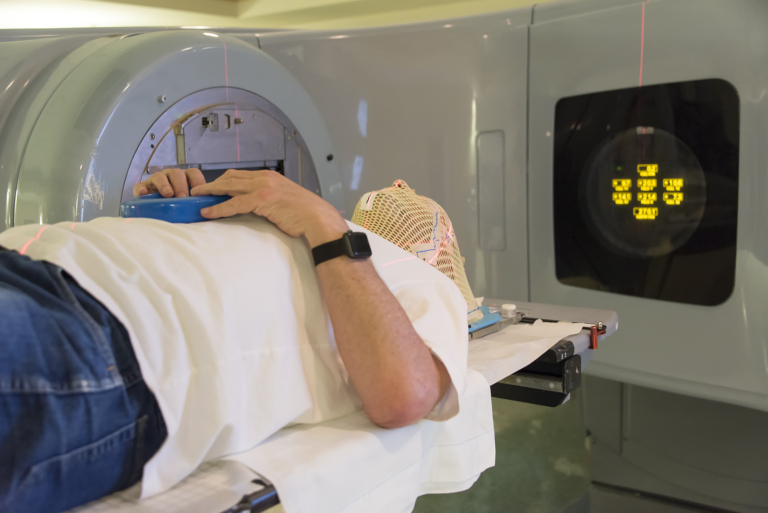
Radiation is commonly delivered using external beam therapy. This will involve lying down on a bed while a machine directs precise beams of X-ray radiation at the affected area. This can include the breast, chest wall or lymph nodes.
The number of treatments will vary, as will the extent of radiation exposure. For instance, partial-breast radiotherapy can be used after a lumpectomy in certain cases where eligibility is assured, with factors including:
- старост
- Величина тумора
- Хистологија
- Хируршке маргине
- Статус лимфних чворова
- Биологија тумора
Hypofractionated regimens can deliver a higher dose of radiation per session over fewer sessions, with side-effects dependent on the treatment technique, dose, target volume and the individual patient.
Common side-effects of radiotherapy include skin reactions, fatigue and breast swelling or discomfort, but severity varies between individuals.
However, further radiation therapy is sometimes needed due to metastasis, or secondary cancer, although metastatic disease isn’t necessarily treated with radiotherapy to every affected site.
Radiotherapy is commonly used for symptom relief or local control, and may be used in selected other circumstances alongside systemic treatments.
Metastatic risk depends on tumour biology, disease stage and other clinical factors, including genetic predisposition and hormone receptor status. This can be one of the key factors determining the kind of treatment that we will provide.
What Follows Radiotherapy For Breast Cancer?
Individualised treatment will also focus on aftercare, helping you deal with any potential side-effects from radiotherapy (although none may be present), as well as chemotherapy if that is involved.
Breast cancer can be a very challenging condition and every patient’s experience of it is different. But we can provide you with a tailored programme of treatment and support to prioritise the best possible outcomes.